














































































-
The Benefits of Yoga for Sportbike Riders
Sportbike riding, with its high speeds and sharp turns, demands a lot from riders. It requires not just physical strength and endurance but also mental focus and flexibility. This is where yoga, an ancient practice known for its physical, mental, and spiritual benefits, can play a pivotal role. Integrating yoga into your routine can offer sportbike riders numerous advantages, enhancing their riding experience and overall well-being.
Key Takeaways
- Enhanced Flexibility and Balance: Vital for maneuvering and maintaining posture while riding.
- Increased Core Strength: Supports proper riding posture and reduces fatigue.
- Improved Mental Focus: Essential for concentration and quick decision-making on the road.
- Stress Relief: Yoga’s meditative aspects can help riders unwind and relax.
- Injury Prevention: Regular practice strengthens the body and aids in recovery.
Comparison Table: Yoga vs. Traditional Strength Training for Sportbike Riders
Aspect Yoga Traditional Strength Training Flexibility Significantly increases Limited increase Core Strength Builds through balance and posture Focuses on targeted muscle groups Mental Focus Enhances concentration and awareness Less emphasis on mental aspects Stress Relief High due to meditative practices Moderate, through physical exertion Injury Prevention High, with low-impact exercises Moderate, risk of overexertion Enhanced Flexibility and Balance
Yoga is renowned for improving flexibility. For sportbike riders, being flexible is crucial as it aids in maneuvering the bike more effectively and prevents muscle strains and injuries. Yoga poses or asanas stretch and elongate the muscles, increasing range of motion and making it easier to adopt the proper riding posture. Furthermore, balance is essential for sportbike riders, especially at high speeds and when taking tight turns. Yoga improves balance, which can help riders maintain control of their bike in challenging conditions.
Increased Core Strength
A strong core is vital for sportbike riders. It supports proper posture, helps manage the bike’s weight during turns, and reduces fatigue during long rides. Yoga poses are effective in strengthening the core muscles, including the abdominals, back, and pelvic muscles. A stronger core leads to better riding form, enhanced stability, and reduced risk of lower back pain, a common issue among riders.
Improved Mental Focus and Concentration
Riding a sportbike requires undivided attention and quick decision-making. Yoga can enhance mental focus and concentration through meditation and breathing exercises (pranayama). These practices help calm the mind, reduce stress, and increase awareness, allowing riders to stay focused and react promptly to unexpected situations on the road.
Stress Relief and Relaxation
The thrill of riding a sportbike can be exhilarating, but it can also be stressful, especially after navigating through traffic or challenging routes. Yoga offers an effective way to relax and de-stress. The combination of physical poses, controlled breathing, and meditation promotes relaxation, reduces cortisol levels (the stress hormone), and improves overall mood.
Better Breathing Techniques
Proper breathing is essential for maintaining endurance and focus. Yoga teaches various breathing techniques that can help sportbike riders control their breath, even under physical exertion. Learning to breathe deeply and evenly can improve oxygenation, enhance energy levels, and ensure that muscles receive the nutrients they need to perform optimally.
Injury Prevention and Recovery
Regular yoga practice can help prevent injuries by improving flexibility, strength, and balance. Additionally, yoga can aid in the recovery process after rides or in the event of an injury. Gentle yoga poses can help alleviate muscle soreness, accelerate recovery, and prevent stiffness, making it easier for riders to get back on their bike.
FAQs About Yoga for Sportbike Riders
-
How does yoga improve riding performance?
- Yoga enhances balance, flexibility, and mental focus, directly contributing to better riding techniques and endurance.
-
Can yoga reduce the risk of injuries from riding?
- Yes, by strengthening muscles, increasing flexibility, and improving balance, yoga helps prevent common riding-related injuries.
-
How often should riders practice yoga for the best results?
- Incorporating yoga 2-3 times a week can significantly benefit sportbike riders.
-
Are there specific yoga poses that are most beneficial for riders?
- Poses focusing on the core, legs, and back, such as the Plank, Warrior II, and Downward-Facing Dog, are particularly beneficial.
-
Can yoga help with post-ride recovery?
- Yes, gentle yoga can aid in muscle recovery, reducing stiffness and soreness after long rides.
-
Is yoga suitable for beginners or those new to fitness?
- Absolutely, yoga offers various levels of difficulty, making it accessible to beginners and seasoned athletes alike.
Conclusion
For sportbike riders, incorporating yoga into their fitness regimen can lead to significant improvements in flexibility, strength, mental focus, and overall riding performance. Whether it’s through attending a yoga class, following online tutorials, or practicing at home, the benefits of yoga can help riders enjoy a more comfortable, focused, and enjoyable riding experience.
Sportbike riding is not just about the machine and the road; it’s also about the rider’s body and mind. Yoga offers a holistic approach to enhance both, ensuring that riders can tackle every curve with grace, precision, and ease.
For more insights into fitness and wellness for riders, visit RunTheCity’s Fitness Blog.
-
Ectomorph, Mesomorph, & Endomorph: Beginners Guide To Body Types
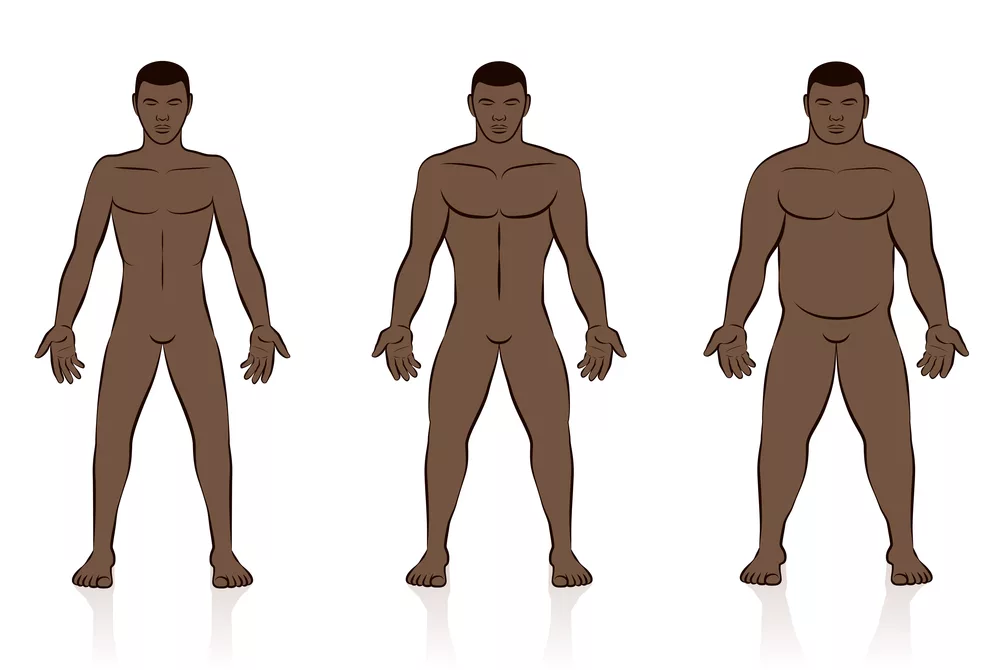
Have you ever wondered why some people seem to gain muscle easily, while others struggle to lose weight no matter how much they exercise? The answer may lie in their body type. There are three main body types: ectomorphs, mesomorphs, and endomorphs. In this beginner’s guide, we’ll explore each body type, their characteristics, and the best exercises and diets for each one.

What Is An Ectomorph Body Type?
Ectomorphs are often referred to as “hardgainers” because they tend to have a harder time gaining weight and muscle mass compared to the other body types. They typically have a slim build, with narrow hips and shoulders, and a fast metabolism. Ectomorphs often have long limbs, a thin waist, and a small bone structure.
Characteristics of Ectomorphs:
- Difficulty gaining weight and muscle mass
- Fast metabolism
- Slim and narrow build
- Small bone structure
- Long limbs and thin waist
- Low body fat percentage
- Can appear “wiry” or “stringy”
Best Exercises for Ectomorphs: Ectomorphs should focus on exercises that promote muscle growth and weight gain. Compound exercises that work multiple muscle groups at once, such as squats, deadlifts, and bench presses, are ideal for ectomorphs. They should also incorporate high-intensity training and progressive overload into their workouts to stimulate muscle growth.
Here are some of the best exercises for ectomorphs:
- Compound Exercises: Compound exercises are exercises that work multiple muscle groups at once. These types of exercises are ideal for ectomorphs because they promote muscle growth and help to build overall strength. Examples of compound exercises include squats, deadlifts, bench presses, pull-ups, and rows.
- Heavy Weightlifting: Ectomorphs should aim to lift heavy weights with low to moderate repetitions to stimulate muscle growth. Lifting heavy weights will help to build muscle mass and strength, and it will also help to increase bone density.
- High-Intensity Training: High-intensity training, such as sprinting, HIIT, or circuit training, is also ideal for ectomorphs. This type of training can help to stimulate muscle growth and increase endurance.
- Progressive Overload: Ectomorphs should focus on progressive overload, which means gradually increasing the weight, reps, or sets over time. This will help to challenge the muscles and promote muscle growth.
- Rest and Recovery: Rest and recovery are also important for ectomorphs. They should aim to get enough sleep and rest days to allow their muscles to recover and grow. Overtraining can be counterproductive and hinder muscle growth.
Overall, ectomorphs should focus on exercises that promote muscle growth and build overall strength. A combination of compound exercises, heavy weightlifting, high-intensity training, progressive overload, and rest and recovery will help ectomorphs to achieve their fitness goals.
Diet Recommendations for Ectomorphs: To gain weight and muscle mass, ectomorphs need to consume more calories than they burn. Ectomorphs should focus on consuming nutrient-dense foods, such as lean proteins, whole grains, and healthy fats. They should also aim to consume a high amount of protein to support muscle growth. Ectomorphs may also benefit from consuming calorie-dense foods, such as nuts, avocados, and dried fruits, to increase their calorie intake.
Diet plays a crucial role in achieving fitness goals, especially for ectomorphs who struggle to gain weight and muscle mass. A proper diet will provide the necessary nutrients for muscle growth and will prevent the body from burning muscle for energy. Here are some diet recommendations for ectomorphs:
- Calorie Surplus: Ectomorphs should aim to consume more calories than they burn to gain weight and build muscle. It’s recommended that ectomorphs consume 500-1000 calories above their maintenance level to achieve a calorie surplus. This surplus can be achieved by adding calorie-dense foods to their diet, such as nuts, avocados, and whole grains.
- Protein Intake: Protein is essential for muscle growth, and ectomorphs should aim to consume 1.5-2 grams of protein per kilogram of body weight. This means that a 70 kg (154 lb) ectomorph should aim to consume 105-140 grams of protein per day. Good sources of protein include lean meats, poultry, fish, eggs, dairy products, legumes, and soy products.
- Carbohydrate Intake: Carbohydrates provide energy for the body, and ectomorphs should aim to consume complex carbohydrates, such as whole grains, fruits, and vegetables. These foods will provide a sustained release of energy and prevent the body from burning muscle for energy.
- Healthy Fats: Ectomorphs should also include healthy fats in their diet, such as omega-3 fatty acids found in fish, nuts, and seeds. Healthy fats are essential for hormone production and overall health.
- Meal Frequency: Ectomorphs should aim to eat 5-6 small meals throughout the day to provide a constant supply of nutrients for muscle growth. This will prevent the body from burning muscle for energy and will also prevent overeating.
Overall, ectomorphs should aim to consume a balanced diet that is high in protein, complex carbohydrates, and healthy fats. They should also consume more calories than they burn to achieve a calorie surplus for weight gain. A consistent diet combined with a proper exercise routine will help ectomorphs to achieve their fitness goals.
Overall, ectomorphs may have a harder time gaining weight and muscle mass compared to the other body types, but with a proper workout routine and diet, they can still achieve their fitness goals.
What is a Mesomorph?
Mesomorphs are often described as the “ideal” body type because they have a naturally athletic build and tend to gain muscle and lose fat relatively easily. They typically have a medium-sized bone structure, a wide shoulder-to-hip ratio, and well-defined muscles.
Characteristics of Mesomorphs:
- Naturally athletic build
- Medium-sized bone structure
- Wide shoulder-to-hip ratio
- Well-defined muscles
- Tendency to gain muscle and lose fat easily
- Efficient metabolism
Best Exercises for Mesomorphs: Mesomorphs excel in a variety of exercises, as their athletic build and efficient metabolism make it easier for them to build muscle and lose fat. They should focus on a balanced workout routine that includes both resistance training and cardiovascular exercises.
- Weightlifting: Mesomorphs tend to build muscle easily, so they should focus on weightlifting exercises that target specific muscle groups. Compound exercises like squats, deadlifts, bench presses, and pull-ups are also beneficial for muscle growth.
- Cardiovascular Exercises: Mesomorphs should also include cardiovascular exercises in their workout routine to maintain a healthy heart and promote fat loss. Running, cycling, swimming, and rowing are all great options.
- High-Intensity Interval Training (HIIT): HIIT workouts are also ideal for mesomorphs. HIIT workouts are short, intense bursts of exercise followed by a brief rest period. They help to increase metabolism, burn fat, and improve cardiovascular health.
Diet Recommendations for Mesomorphs: Mesomorphs tend to have a more efficient metabolism than other body types, which means they can consume more calories without gaining weight. However, it’s important for mesomorphs to maintain a balanced diet to support their fitness goals. They should focus on consuming a diet high in protein, complex carbohydrates, and healthy fats.
Overall, mesomorphs are naturally gifted with an athletic build and an efficient metabolism. To maintain their physique, they should focus on a balanced workout routine that includes both resistance training and cardiovascular exercises. Mesomorphs should also maintain a healthy diet to support their fitness goals.
What is an Endomorph Body Type?
Endomorphs are characterized by their curvy and rounded body structure, with a high body fat percentage and a slow metabolism. Endomorphs tend to have a softer and rounder appearance, with a wider waist, hips, and thighs. This body type has a tendency to gain weight easily and struggle to lose it, making weight management a major concern for endomorphs.
Endomorphs often have a greater appetite and may experience cravings for high-calorie foods, which can make it challenging to maintain a healthy diet. This body type also tends to have lower insulin sensitivity, which can lead to an increased risk of developing type 2 diabetes, high blood pressure, and heart disease.
To manage weight and promote overall health, endomorphs need to adopt a specific approach to training and nutrition. They may benefit from a higher protein and lower carbohydrate diet to promote satiety and reduce cravings. It’s also important for endomorphs to engage in regular exercise, including both cardiovascular and strength training, to increase their metabolism and build lean muscle mass.
Weight training is particularly important for endomorphs, as it helps to build lean muscle mass, which increases metabolism and burns more calories throughout the day. High-intensity interval training (HIIT) can also be effective for endomorphs, as it promotes fat burning and cardiovascular health.
It’s important to note that while endomorphs may face challenges in achieving their desired body composition, their body type also has its advantages. Endomorphs tend to have a higher level of strength and power due to their muscular build, which can be advantageous in certain sports and activities.
In summary, endomorphs are characterized by their curvy and rounded body structure, high body fat percentage, and slower metabolism. To manage weight and promote overall health, endomorphs need to adopt a specific approach to training and nutrition, including a higher protein diet and regular exercise that includes weight training and cardio.
Best Exercises for Endomorphs:
Endomorphs can benefit from a mix of cardiovascular and strength training exercises to promote weight loss, build lean muscle mass, and increase metabolism. Here are some exercises that endomorphs may find particularly beneficial:
- Resistance Training: Endomorphs should prioritize resistance training with weights, resistance bands, or bodyweight exercises. These exercises help build lean muscle mass, which increases metabolism and helps burn more calories throughout the day. Endomorphs can benefit from exercises such as squats, deadlifts, lunges, push-ups, pull-ups, and planks.
- High-Intensity Interval Training (HIIT): HIIT involves short, intense bursts of activity followed by periods of rest. This type of exercise can help endomorphs burn more calories and increase their metabolism. Examples of HIIT exercises include sprints, jumping jacks, and burpees.
- Cardiovascular Exercise: Endomorphs should include cardiovascular exercises such as running, cycling, or swimming to increase their heart rate and burn calories. Cardiovascular exercise can also improve heart health and overall fitness levels.
- Core Strengthening: Core strengthening exercises such as crunches, sit-ups, and planks can help endomorphs build a strong core, which can improve posture, balance, and stability.
- Yoga: Yoga can be an effective exercise for endomorphs, as it combines strength training, flexibility, and relaxation. Yoga can also help reduce stress and promote mental wellbeing.
It’s important for endomorphs to engage in a variety of exercises to avoid boredom and promote overall fitness. A combination of resistance training, HIIT, cardiovascular exercise, core strengthening, and yoga can provide a well-rounded fitness routine for endomorphs. However, it’s important to consult with a healthcare professional or certified personal trainer before starting a new exercise routine to ensure safety and effectiveness.
Diet Recommendations for Endomorphs:
Endomorphs tend to have a slower metabolism and a greater propensity for storing body fat, making it important to follow a healthy and balanced diet to support weight management and overall health. Here are some dietary recommendations for endomorphs:
- High Protein Intake: Endomorphs should aim to consume a diet that is high in protein to help promote satiety and build lean muscle mass. Good sources of protein include lean meats, poultry, fish, eggs, dairy, beans, and legumes.
- Low Carbohydrate Intake: Endomorphs may benefit from reducing their carbohydrate intake, particularly from refined carbohydrates such as white bread, pasta, and sugary snacks. Instead, focus on consuming complex carbohydrates such as fruits, vegetables, and whole grains.
- Fiber Intake: Endomorphs should consume a diet that is high in fiber, as this can help promote feelings of fullness and reduce cravings. Good sources of fiber include fruits, vegetables, whole grains, and legumes.
- Healthy Fats: Endomorphs should include healthy fats such as olive oil, avocado, nuts, and seeds in their diet. Healthy fats can help promote satiety and reduce inflammation in the body.
- Portion Control: Endomorphs should pay attention to portion sizes, as overeating can lead to weight gain. Consider using smaller plates and measuring portion sizes to help control calorie intake.
- Meal Timing: Endomorphs may benefit from consuming smaller, more frequent meals throughout the day to help regulate blood sugar levels and reduce cravings.
- Hydration: Endomorphs should drink plenty of water throughout the day to help support weight management and overall health.
It’s important for endomorphs to focus on consuming a balanced and healthy diet, while also considering their individual dietary needs and preferences. Consulting with a registered dietitian or healthcare professional can help endomorphs create a personalized and sustainable meal plan to support their health and fitness goals.

Embracing Your Unique Body Type: Why it Matters
Your body type is unique to you, and it plays an important role in your fitness journey. By understanding your body type and adopting the right approach to training and nutrition, you can optimize your fitness goals and achieve the results you desire. While it’s easy to get caught up in comparing yourself to others, it’s important to remember that everyone’s body is different, and there’s no one-size-fits-all approach to fitness.
Embracing your unique body type can help you achieve greater self-acceptance, confidence, and motivation in your fitness journey. Rather than trying to fit into a specific body type mold, focus on finding a training and nutrition plan that works best for your individual needs and preferences. This will not only help you achieve your fitness goals, but also promote long-term health and wellness.
Remember, your body type is just one aspect of your overall health, and it’s important to approach fitness with a holistic mindset. This means prioritizing your physical, mental, and emotional health, and focusing on creating sustainable lifestyle habits that support your overall wellbeing.
In conclusion, embracing your unique body type can help you achieve greater success and satisfaction in your fitness journey. By understanding and working with your body type, rather than against it, you can optimize your fitness results and improve your overall health and wellbeing.
- Home
- Fitness Blog
- Nutrition Blog
- Sportbike Blog
- How To Get Your Motorcycle License
- How Old Do I Have To Be To Ride A Motorcycle In New Jersey?
- What are the minimum requirements for motorcycle insurance in New Jersey?
- What Is The Main Cause Of Motorcycle Accidents?
- Gallery
- Yamaha YZF-R6 Service Manuals
- Yamaha R6 Specs 1998-2002 (First Generation)
- Yamaha YZF-R6 Specs 2003-2005 (Second Generation)
- Yamaha YZF-R6 Specs 2006-2016 (Third Generation)
- Yamaha YZF-R6 Specs 2017 (Fourth Generation)
- Sportbike Glossary
- Contact
- Shop






2 comments on Over 100 Motivational Fitness Quotes With Images