Motorcycle enthusiasts and fitness beginners often do the workout, finish the ride, and still get blindsided afterward by heavy legs, low energy, and sore muscles that linger longer than expected. The core tension is simple: training builds progress, but muscle repair challenges and shaky fueling choices can stall it right when consistency matters most. Post-workout recovery nutrition doesn’t need to feel like a guessing game, and it can be the difference between dragging through the next session and showing up steady. A clear approach to recovery eating supports exercise performance enhancement.
Understanding What Your Body Needs After a Ride
Recovery nutrition works when you understand the “why,” not when you just copy a list. After a hard ride or gym session, your body needs to refill muscle glycogen for energy, rebuild muscle through muscle protein synthesis, and calm excess inflammation with nutrient-rich foods. Amino acids are the building blocks that make protein repair possible, so protein choices and supplements stop feeling like random add-ons.
This matters because the right refuel can mean steadier energy, less next-day stiffness, and better training consistency. It also helps you avoid common mistakes like only eating protein but skipping carbs, or chasing flashy powders while under-eating real food.
Think of it like post-ride maintenance. Glycogen is your fuel tank, amino acids are the replacement parts, and colorful whole foods act like the rust protection that keeps things running smoothly. With that logic clear, meal timing, macro balance, hydration, and supplement picks become repeatable.
Build a Repeatable Post-Ride Recovery Meal Plan
This process helps you plan what to eat and drink after a ride or workout so you recover faster, show up stronger tomorrow, and avoid the “random snack plus soreness” cycle. For riders who also train, it’s the simplest way to treat recovery like reliable maintenance: same steps every time, better performance over time.
-
Set your “first bite” window
Start with carbs plus protein within 1 to 2 hours after a hard session, and sooner if you trained fasted or rode long. The goal is to begin refilling energy and kick off repair while your body is primed to use it. The idea behind consuming carbs and protein is to make recovery feel smoother, not to force a shake after every easy spin.
-
Pick a protein target you can hit every time
Choose one simple rule and stick with it for two weeks: either aim for 25 to 40 g in your post-ride meal or use a bodyweight check. A practical benchmark is that muscles need 0.5 g of high-quality protein per kilogram of body weight after exercise, which helps you scale up or down without guessing.
-
Balance the plate for energy plus repair
Build your meal in three parts: a palm of protein, a fist or two of carbs, and a thumbs-up of healthy fats, then add a colorful fruit or vegetable. Carbs support your next session’s energy, while protein handles the rebuild, and the produce adds micronutrients that help you feel less beat up.
-
Hydrate with a quick “loss check”
Start drinking right away and keep it steady for the next few hours, not just a single chug at the end. If your gear is salty, your jersey is crusty, or you weighed less after training, add sodium through an electrolyte drink or salty foods to help fluids actually stay in your system.
-
Use a simple supplement decision filter
Confirm food first, then choose supplements only if they solve a clear problem: convenience, low appetite, or hitting protein on busy days. Compare labels for single-purpose basics (whey or plant protein, creatine monohydrate, electrolytes) and skip “mega blends” that hide doses behind proprietary mixes.
Recovery & Nutrition Questions Riders Ask Most
Q: What are the top foods to eat immediately after a workout to speed up muscle recovery?
A: Aim for an easy combo of carbs plus protein so you refill energy and start repair without overthinking it. Try chocolate milk, yogurt with fruit, a turkey sandwich, or rice with eggs. If you cannot stomach much, go smaller and liquid, then eat a full meal later.
Q: How can supplements help reduce post-workout fatigue and improve overall performance?
A: Supplements can help when they solve a specific gap like low appetite, missed protein, or heavy sweating. Stick to simple, single-ingredient options and trial one at a time so you can tell what actually helps. If you take medications or have heart or kidney issues, clear any new supplement with a clinician first.
Q: What nutritional mistakes should I avoid that might slow down my recovery process after intense exercise?
A: The big ones are under-eating after long rides, skimping on fluids and salt, and relying on alcohol as your “recovery drink.” Another common trap is chasing soreness with random pills while ignoring sleep, calories, and protein consistency. Keep it boring: eat enough, hydrate steadily, and prioritize quality meals.
Q: How can I structure my post-workout nutrition to avoid feeling overwhelmed by too many supplement options?
A: Use a “food first, basics only” rule: one real meal, then only add a supplement if it fixes a repeat problem you can name. Start with a short list such as protein powder for convenience and electrolytes for hot-weather rides, then reassess after two weeks. Skip proprietary mega-blends so dosing stays transparent.
Q: How can I customize natural supplements like THCA isolate powder to enhance my post-workout recovery and manage muscle soreness effectively?
A: Keep nutrition as your main lever, then treat any isolate as optional experimentation for comfort, not a substitute for fueling and sleep. Those interested in refined THCA isolate products should still start low, change only one variable at a time, and confirm third-party lab results and local rules since some regions set strict limits such as CBD products must contain less than 0.2% THC to be legal. If you have a history of substance use concerns, a clinician can offer safer pathways like medications for opioid use disorder when pain management and recovery feel tangled.
Recovery Rituals That Stick After Every Ride
Recovery gets easier when you stop relying on willpower and start running a few repeatable routines. These practices help riders and gym-goers connect performance, basic bike care, and health so you feel better this week and build momentum all season.
10-Minute Cooldown Walk
- What it is: Walk or easy spin, then light leg and hip mobility.
- How often: After hard rides or training days.
- Why it helps: Lowers stiffness and makes the next session feel smoother.
Bottle-and-Backup Hydration System
- What it is: Keep one bottle on you and one pre-filled in the garage.
- How often: Daily, plus extra on hot ride days.
- Why it helps: Fewer headaches and cramps, better focus in the saddle.
Recovery Plate Rule
- What it is: Build a plate with protein, carbs, and a colorful produce side.
- How often: Within 2 hours after riding.
- Why it helps: Refuels muscles and reduces next-day sluggishness.
Weekly Meal-Prep Sprint
- What it is: Prep 3 to 5 portions, like 38g protein per meal tuna and sweet potato.
- How often: Weekly.
- Why it helps: Makes recovery eating automatic when you get home tired.
Sleep Lock-In Routine
- What it is: Set a consistent lights-out time and a 20-minute screen-off buffer.
- How often: Nightly.
- Why it helps: Treat sleep as performance-enhancing, like a training partner.
Post-Ride Bike Reset
- What it is: Quick chain check, tire pressure glance, and wipe down contact points.
- How often: After each ride.
- Why it helps: Prevents small problems from stealing your next workout.
Turn Post-Ride Recovery Into Sustained Performance and Endurance
It’s easy to ride hard, train hard, and then wonder why the next session feels heavier than it should. The way through isn’t more willpower, it’s a simple recovery mindset built on repeatable rituals: hydration, steady sleep, and applying nutrition knowledge so refueling happens on purpose, not by accident. When those systems are in place, soreness drops, energy becomes steady, and enhanced riding endurance shows up alongside sustained workout performance and fitness goal reinforcement. Recover like it’s part of training, and performance follows. Choose one recovery ritual to lock in today and repeat it after every ride. That consistency is what builds resilient health and dependable performance for the long run.
-

The Art of Cornering on a Sportbike
Cornering is an essential skill for sportbike riders, and it requires a combination of physical and mental techniques to be executed effectively. From maintaining control in a lean to anticipating turns and navigating curves, cornering is an art that requires practice, patience, and confidence. In this comprehensive guide, we’ll explore the fundamentals of cornering on a sportbike and provide tips and tricks to help you become a more confident and skilled rider.
Download RunThaCity’s Cornering on a Sportbike CheetSheet
Understanding the Physics of Cornering
The key to effective cornering on a sportbike is understanding the physics behind the maneuver. When you enter a turn, the centrifugal force of the turn pushes the bike away from the center of the turn, and the suspension compresses, causing the bike to lean in the direction of the turn. Maintaining control in a lean requires balancing the force of gravity, which tries to pull the bike down, with the centrifugal force, which tries to push the bike out.
By understanding the physics of cornering, you can gain a better appreciation for the forces acting on your bike and the techniques required to counterbalance these forces. For example, you can use your body weight to shift in the direction of the turn, which helps to balance the forces acting on the bike and maintain stability and control in a lean.
The physics of cornering on a sportbike involves a complex interplay between the forces of gravity, friction, and centripetal force. When a rider enters a turn, gravity pulls the bike towards the center of the turn, creating a natural tendency to lean into the turn. To counteract this gravitational pull and maintain balance, the rider must apply a countervailing force known as centripetal force. This force is generated by leaning the bike into the turn and applying a slight amount of pressure to the inside handlebar.
The amount of lean required to maintain balance in a turn is largely dependent on the speed of the bike and the radius of the turn. The faster the bike is moving, the more lean is required to maintain control. Conversely, the tighter the turn, the more lean is required. To achieve the optimal balance between speed and lean, riders must coordinate their inputs to the handlebars, throttle, and brakes.
Friction also plays an important role in the physics of cornering. The tires on a sportbike are designed to provide a high level of grip and traction, allowing the rider to carve through turns with confidence. However, this grip can be easily compromised by factors such as road surface, tire wear, and weather conditions. To maximize traction and grip, it is important to maintain the correct tire pressure and keep the tires in good condition, as well as adapting your riding style to the conditions of the road.
By understanding the physics of cornering, riders can develop a deeper appreciation for the dynamics of their sportbike and the techniques required to maintain control and stability in turns. With this knowledge, riders can make more informed decisions about their riding technique and make the necessary adjustments to their speed, trajectory, and body position to ensure a safe and enjoyable riding experience.

Body Position and Control
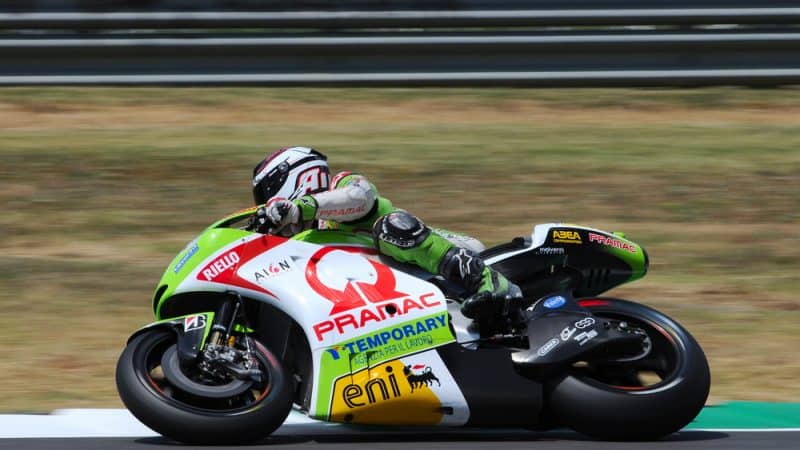
Effective cornering on a sportbike requires proper body position and control. To maintain balance and control in a lean, you need to keep your weight centered over the bike and use your body to counterbalance the forces acting on the bike. Your inside hand should grip the handlebars firmly, while your outside hand should be relaxed and ready to make adjustments. Your inside knee should be tucked into the tank, and your outside foot should be positioned on the peg for stability.
Maintaining proper body position and control is essential for effective cornering, as it allows you to respond quickly and effectively to changes in the road and the forces acting on the bike. By keeping your weight centered over the bike, you can maintain balance and control, and by using your body to counterbalance the forces acting on the bike, you can prevent the bike from tipping over in a turn.
Body position and control are critical components of effective cornering on a sportbike. Proper body position allows the rider to maintain balance and control over the bike, while also improving visibility and stability. The key elements of proper body position include:
- Lean Angle: The rider’s lean angle should be adjusted to match the speed and radius of the turn. As the speed increases or the turn tightens, the lean angle should increase accordingly. Riders should aim to maintain a smooth and gradual lean, avoiding sudden or excessive movements that can upset the balance of the bike.
- Weight Distribution: The rider’s weight should be shifted towards the inside of the turn, helping to counteract the gravitational pull towards the center of the turn. This can be achieved by shifting the rider’s body weight to the inside footpeg, while maintaining a firm grip on the handlebars.
- Upper Body: The rider’s upper body should be kept as relaxed and upright as possible, avoiding any unnecessary movements that can affect the balance of the bike. The rider should maintain a firm grip on the handlebars, using a light touch to control the bike’s movements.
- Lower Body: The rider’s lower body should be kept as still and relaxed as possible, avoiding any unnecessary movements that can affect the stability of the bike. The rider should maintain a firm grip on the footpegs, using their knees to grip the tank and maintain control over the bike.
By maintaining proper body position and control, riders can ensure a smoother and more stable ride, improving their ability to negotiate turns and respond to changing road conditions. However, it is important to note that body position and control should be adapted to the conditions of the road and the rider’s personal comfort and preference. With practice and experience, riders can develop a more refined and personalised approach to body position and control, improving their cornering skills and overall riding experience.
Braking and Acceleration Techniques
The timing and technique of braking and acceleration play a critical role in effective cornering on a sportbike. As you approach a turn, you should reduce your speed by applying the brakes smoothly and progressively. After entering the turn, you should ease off the brakes and maintain a constant speed, using the throttle as needed to maintain balance and control. As you exit the turn, you should smoothly apply the throttle to accelerate out of the turn and onto the straightaway.
Effective braking and acceleration techniques are essential for maintaining control and stability in a turn. By reducing your speed before entering a turn, you can reduce the forces acting on the bike and maintain control in a lean. By easing off the brakes after entering the turn, you can maintain a constant speed and use the throttle as needed to maintain balance and control. And by accelerating smoothly out of the turn, you can build up speed and exit the turn with confidence.
Braking and acceleration techniques are crucial components of effective cornering on a sportbike. These techniques allow the rider to control the speed and trajectory of the bike, improving stability and confidence in turns. The key principles of braking and acceleration techniques include:
- Braking: Braking should be performed as smoothly and progressively as possible, avoiding any sudden or jerky movements. The rider should aim to maintain a consistent speed throughout the turn, avoiding any sudden changes in speed that can affect stability. When braking, the rider should apply the front brake first, followed by the rear brake, adjusting the amount of pressure applied to each brake to suit the conditions of the road and the speed of the bike.
- Acceleration: Acceleration should be performed smoothly and progressively, avoiding any sudden or excessive changes in speed. The rider should aim to maintain a consistent speed throughout the turn, avoiding any sudden changes in speed that can affect stability. When accelerating, the rider should use the throttle to control the speed of the bike, adjusting the amount of throttle applied to suit the conditions of the road and the speed of the bike.
By combining proper braking and acceleration techniques with proper body position and control, riders can achieve a smoother and more stable ride, improving their ability to negotiate turns and respond to changing road conditions. However, it is important to note that braking and acceleration techniques should be adapted to the conditions of the road and the rider’s personal comfort and preference. With practice and experience, riders can develop a more refined and personalized approach to braking and acceleration, improving their cornering skills and overall riding experience.
Look Ahead and Anticipate Turns
Effective cornering on a sportbike requires you to look ahead and anticipate turns well in advance. By keeping your gaze fixed on the road ahead, you can spot obstacles and make necessary adjustments to your speed and trajectory. You should also scan the road for hazards, such as gravel, potholes, or wet spots, and avoid them whenever possible.
Looking ahead and anticipating turns is a critical component of effective cornering on a sportbike. By looking ahead and anticipating turns, riders can improve their visibility, reaction time, and stability, allowing them to negotiate turns with greater confidence and control. The key principles of look ahead and anticipating turns include:
- Look Ahead: Riders should keep their gaze focused on the road ahead, looking several seconds ahead of the bike to anticipate turns and other road hazards. This allows the rider to react in a timely manner, avoiding any sudden or unexpected movements that can affect stability.
- Anticipate Turns: Riders should anticipate turns by scanning the road ahead for any changes in direction or road conditions. This allows the rider to prepare for the turn in advance, adjusting their speed, body position, and control accordingly.
- Plan Your Line: Riders should plan their line through the turn, anticipating the path of the bike and the trajectory of the turn. This allows the rider to negotiate the turn with greater control and stability, improving their ability to maintain a consistent speed and line.
By combining proper look ahead and anticipating turns with proper body position and control, riders can achieve a smoother and more stable ride, improving their ability to negotiate turns and respond to changing road conditions. However, it is important to note that look ahead and anticipating turns should be adapted to the conditions of the road and the rider’s personal comfort and preference. With practice and experience, riders can develop a more refined and personalised approach to look ahead and anticipating turns, improving their cornering skills and overall riding experience.
Practice and Refine Your Techniques
Effective cornering on a sportbike requires practice, patience, and confidence. While it may take some time to develop the skills and techniques required to corner with confidence, with practice and refinement, you can become a more skilled and confident rider. To improve your cornering skills, consider practicing on a safe and controlled environment, such as a track day or a closed course. You can also seek feedback from more experienced riders and instructors to help refine your techniques and identify areas for improvement.
Conclusion
Cornering is an essential skill for sportbike riders, and it requires a combination of physical and mental techniques to be executed effectively. From understanding the physics of cornering to maintaining proper body position and control, braking and acceleration techniques, and looking ahead and anticipating turns, there are many factors that contribute to effective cornering on a sportbike. With practice, patience, and confidence, you can develop the skills and techniques required to corner with confidence and enjoy a safer and more enjoyable riding experience.