What Is A Motovlog?
Simply put, motovlogging is when you attach a camera to yourself or your motorcycle and record your ride. Wikipedia defines it as:
A motovlog is a type of video log recorded by a person while riding a motorcycle. The word is a neologism and portmanteau derived from “motorcycle”, “video” and “log”. A rider who creates video blogs known as a moto blogger, and the action of making motovlogs is called motovlogging. Most motovloggers upload their videos on YouTube, and the network of motovloggers here is known as the motovloggers community.
Are you looking for motovloggers to follow?
While I’m positive this isn’t a complete list, I’m sure you’ll find a channel here that will peak your interest. Make sure you check back frequently because I’ll be adding to this list.
If you’re a motovlogger that would like to added to this list simply follow me on YouTube and fill out my contact form and I’ll get you added!
Coming Soon:
- The Ultimate List Of Motovloggers
- The Ultimate List Of Instagram Motovloggers
Shout Out To PhatboyR6 and No.Bumpers for helping me come up with this collection of motovloggers. So here they are in no particular order!
You Might also like
-
21 Summer Motorcycle Rallies for Summer 2018
What’s better than the open road and a summer breeze on your face? At RumbleOn, we believe that it can only be beat by joining thousands of others who live and breathe for the same experience. This summer, don’t miss your chance to join a community of riders from across the nation by checking out this list of 25 events in 2018. Make lifelong connections, show off your ride, or even buy or sell a bike of your own!
Looking for more ways to adventure? We’ve also compiled the Best Biker Bars and Food Spots, Best Sights to See, and Best Roads to Ride for you.
July Events
Monday, July 9, 2018 – Thursday, July 12, 2018
Bowling Green, KY
32nd Annual Women on Wheels International Ride-In™
Tuesday, July 10, 2018 – Thursday, July 12, 2018
Johnson City, TN
Hell’s Canyon Motorcycle Rally
Thursday, July 12, 2018 – Monday, July 16, 2018
Baker City, OR
Monday, July 16, 2018 – Friday, July 20, 2018
Provo, UT
2018 Cascade Country Rendezvous and GS Rally by BestRest
Thursday, July 19, 2018 – Sunday, July 22, 2018
Republic, WA
ABATE of Indiana’s 38th Annual Boogie 2018
Thursday, July 19, 2018 – Sunday, July 22, 2018
Springville, IN
Thursday, July 19, 2018 – Sunday, July 22, 2018
Muskegon, MI
North Dakota Ladies Run – 31st Annual
Friday, July 20, 2018 – Sunday, July 22, 2018
Dickinson, ND
South East Raider Rally – 10th Annual
Sunday, July 22, 2018 – Sunday, July 29, 2018
Maggie Valley, NC
CMA Florida Summer Springs Fling
Friday, July 27, 2018 – Sunday, July 29, 2018
Ft. McCoy, FL
GWRRA Montana District Convention 2018
Thursday, July 26, 2018 – Saturday, July 28, 2018
Missoula, MT
Friday, July 27, 2018 – Sunday, July 29, 2018
Las Vegas, NM
August Events
Thursday, August 2, 2018 – Sunday, August 5, 2018
Black River Falls, WI
Friday, August 3, 2018 – Sunday, August 12, 2018
Sturgis, SD
Apple’s 15th Annual East Coast Motorcycle Rally
Wednesday, August 8, 2018 – Sunday, August 12, 2018
Little Orleans, MD
GWRRA Kentucky Blast District Convention 2018
Thursday, August 16, 2018 – Saturday, August 18, 2018
Cave City, KY
12th Annual Surfside Beach Bash
Friday, August 17, 2018 – Sunday, August 19, 2018
Oyster Creek, TX
Winding Road Ranch Biker Party 2018
Friday, August 24, 2018 – Sunday, August 26, 2018
Rush Springs, OK
Pennsylvania Rally on the River – Summer
Thursday, August 23, 2018 – Sunday, August 26, 2018
Northumberland, PA
September Events
Thunder in the Rockies Motorcycle Rally 2018
Friday, August 31, 2018 – Monday, September 3, 2018
Loveland, CO
Friday, August 31, 2018 – Monday, September 3, 2018
Pioneer, OH
-
Motorcycle Basics: Before You Start Riding
Before even hopping on a motorcycle, it’s a smart decision to ride about the mechanics of the machine and familiarize yourself with key concepts. Having an idea in your head is going to come in handy when you’re faced with common beginner problems or later on when you’re on the road.
That’s how you really get a handle on the motorcycle. Let’s get started.Motorcycle Basic Controls
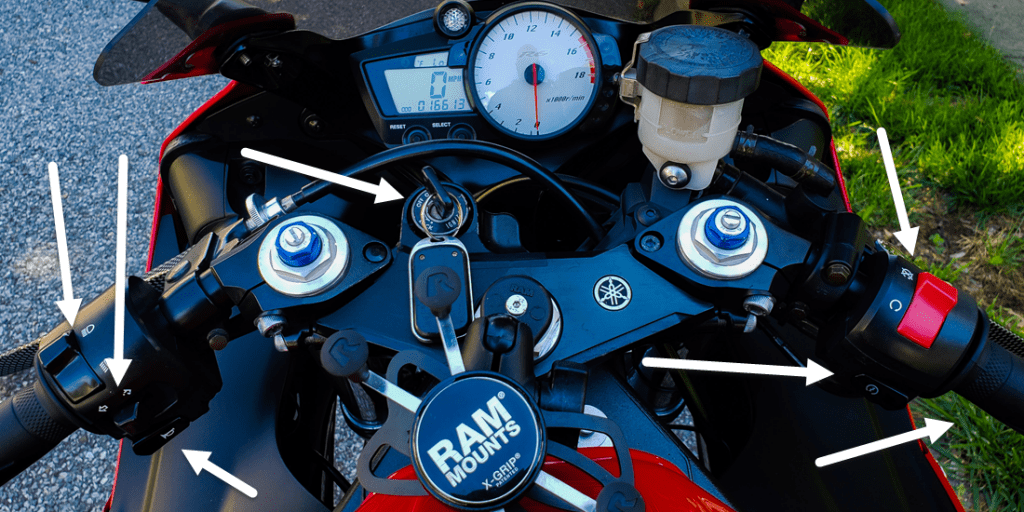
Most motorcycles have the same controls; but you should always check the owner’s manual since the locations and shapes of some features will vary between makes and models.
motorcycle controls indicators and equipment Motorcycle basic parts:
Handlebars
Right side:
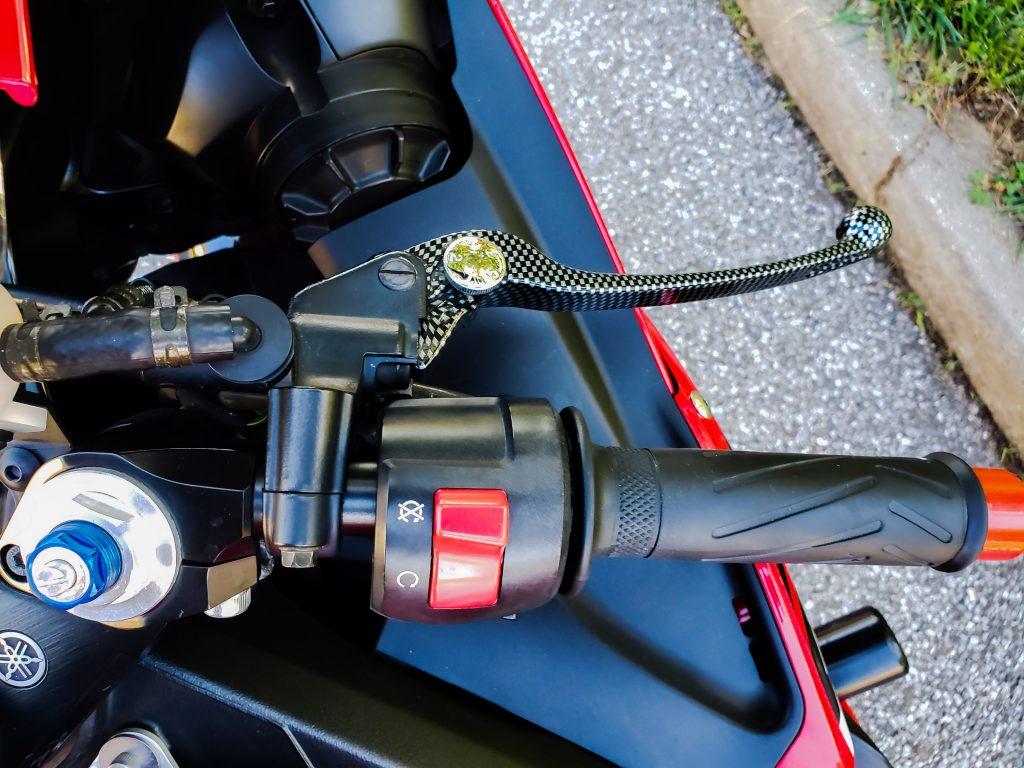
- Electric start button – usually yellow or white.
- Engine cut-off switch – above the electric start button. Usually red.
- Above the right throttle is the front brake lever.
Left side:
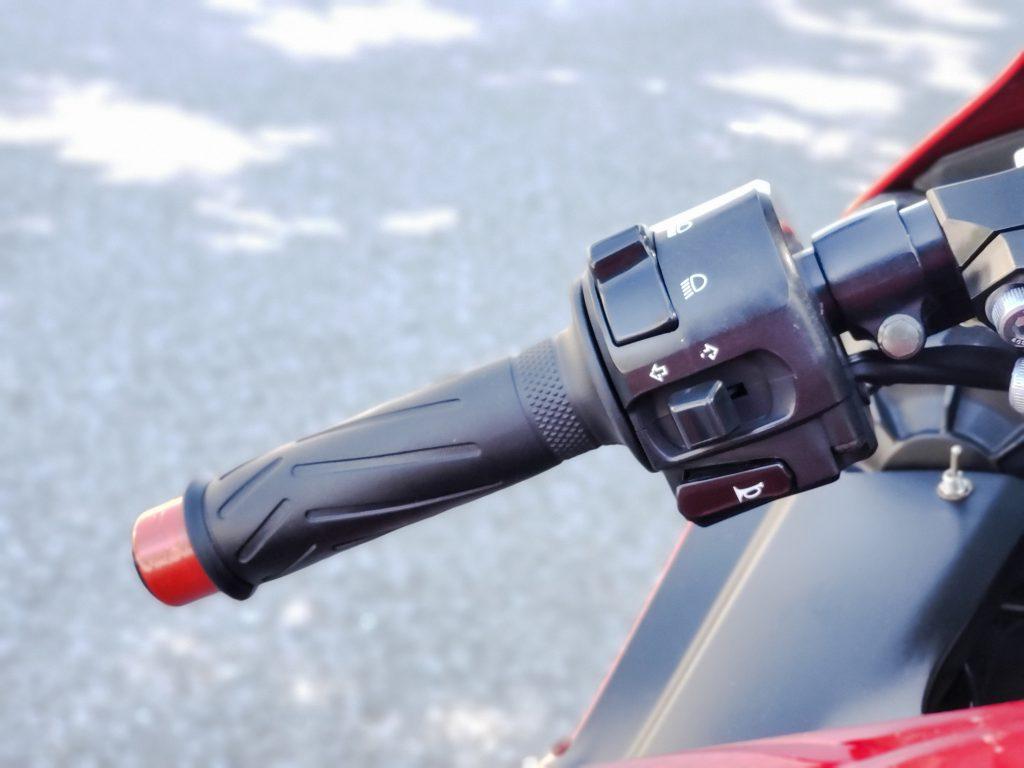
- Horn
- Indicators (blinkers)
- Choke
- Headlight dip switch (high beams/low)
- Clutch lever.
Between the handlebars, you find the ignition key. Ahead of the handlebars, you will also see the speedometer, odometer, and the tachometer.
motorcycle handlebar controls motorcycle throttle Older Styles and Off-Road Bikes
Here’s some special considerations if you are on an older model or have an off-road bike:
Fuel petcock – these are usually attached to the left near the carburetor. You can lean down to switch the gas tank when the fuel is getting low and you need to get to the gas station ASAP.Kick starter – off-road bikes have kick starters more commonly than street bikes. The kick starter works when you push down on the lever, turning the engine crank and causing the pistons to put pressure against the spark plug. Fuel ignites to start the engine.
What To Check Before Your Ride Every Time
Professional schools throughout the country use the acronym T-CLOCs to help you remember what you should check before heading on your bike. These checks should be done at least once a year, depending on how often you are riding your bike. If you ride every single day, you will have to use T-CLOCs much more often.
- T – Tires
- C – (Main) Controls
- L – Lights & other controls
- O – Oil & other fluids
- C – Chassis
- S – Stands
Tires
Check the air pressure and look at the condition of the tires. Are they worn down? Cracking? What is the condition of the spokes? Do you note any air leakage?
Next, look at the rims, bearings, seals, and casts. Does each brake work as it should? Does the bike fight you when turning or slowing down?
Controls
The main controls include the handlebars, cables, hoses, levels, pedals, and throttle. Make sure the condition of the hoses is good and that everything is properly lubricated. The bars should be straight, and the throttle should move without resistance. Ensure the hoses aren’t cut or leaking. Any bulges, chafing, cracks or fraying of control cables needs to be repaired.
Lights & Other Controls
This includes the battery, wiring, tail and signal lights, switches, blinkers, headlight, and reflectors. Is everything illuminating? Do the blinkers flash right? Is fraying or kinks in the wiring? Are the beams strong enough in the dark?
Oil & Other Fluids
Check the gaskets and seals for any leaks. Ensure the oil level is good, along with other fluid levels. Check for sediment in the coolant reservoir.
Chassis
The chassis is made up of the frame, suspension, chains, belts, and fasteners. Nothing should rattle. Nothing should be frayed, cracking, peeling, or chipping. Ensure that everything is tight and that there is tension in the belts and chains.
Stands
Check for cracks or bends in the stands. Springs should hold their position without looseness.
Basic Mechanics of a Motorcycle
Being that a motorcycle rides on two wheels, it is designed to lean to either side. Through balance and input from the ride, the motorcycle maintains an upright position. Many beginners are afraid that the bike is going to fall over if they lean too far, but that’s not the case. Through the forces of physics, such as friction, momentum, and gravity, it’s nearly impossible for a bike that’s going to straight to fall over.
Engine
Another reason the motorcycle stays upright is the force of the pistons in the engine. These pistons move up and down, creating a force that helps the moving bike maintain it’s upward position.
Tires
The tires of motorcycles are designed to be rounded, ensuring that as the bike rounds a corner, the same surface area of the tire remains on the ground.
Chassis
For the beginner, all you need to know about the chassis is how to sit properly. When positioned properly on the bike, your wrists, knees, and back will be comfortable. You should also be able to engage your core and thigh muscles when using your body to maneuver.
Clutch
Most bikes are manual transmission. The clutch keeps the bike moving but also controls the speed by using friction. Clutches are usually bathed in the same oiled the engine uses, so if you ride the clutch for a while, you won’t cause damage. However, some bikes are different, so refer to the owner’s manual.
Wrapping It Up
For the new rider, your focus should be memorizing where the controls are and what certain parts of the bike do. By learning the general location, you can drive much more safely (and not while staring at the handlebars).
Remember, the everything takes practice. In the same way you learned to ride a bicycle, you need some patience with riding a motorcycle. With that, you’re ready to begin!
Liked this article? Want more beginner’s tips? Subscribe to my YouTube channel to get notifications about the latest videos and never miss out.
-
The Benefits of Yoga for Sportbike Riders
Sportbike riding, with its high speeds and sharp turns, demands a lot from riders. It requires not just physical strength and endurance but also mental focus and flexibility. This is where yoga, an ancient practice known for its physical, mental, and spiritual benefits, can play a pivotal role. Integrating yoga into your routine can offer sportbike riders numerous advantages, enhancing their riding experience and overall well-being.
Key Takeaways
- Enhanced Flexibility and Balance: Vital for maneuvering and maintaining posture while riding.
- Increased Core Strength: Supports proper riding posture and reduces fatigue.
- Improved Mental Focus: Essential for concentration and quick decision-making on the road.
- Stress Relief: Yoga’s meditative aspects can help riders unwind and relax.
- Injury Prevention: Regular practice strengthens the body and aids in recovery.
No products found.
Comparison Table: Yoga vs. Traditional Strength Training for Sportbike Riders
Aspect Yoga Traditional Strength Training Flexibility Significantly increases Limited increase Core Strength Builds through balance and posture Focuses on targeted muscle groups Mental Focus Enhances concentration and awareness Less emphasis on mental aspects Stress Relief High due to meditative practices Moderate, through physical exertion Injury Prevention High, with low-impact exercises Moderate, risk of overexertion Enhanced Flexibility and Balance
Yoga is renowned for improving flexibility. For sportbike riders, being flexible is crucial as it aids in maneuvering the bike more effectively and prevents muscle strains and injuries. Yoga poses or asanas stretch and elongate the muscles, increasing range of motion and making it easier to adopt the proper riding posture. Furthermore, balance is essential for sportbike riders, especially at high speeds and when taking tight turns. Yoga improves balance, which can help riders maintain control of their bike in challenging conditions.
Increased Core Strength
A strong core is vital for sportbike riders. It supports proper posture, helps manage the bike’s weight during turns, and reduces fatigue during long rides. Yoga poses are effective in strengthening the core muscles, including the abdominals, back, and pelvic muscles. A stronger core leads to better riding form, enhanced stability, and reduced risk of lower back pain, a common issue among riders.
No products found.
Improved Mental Focus and Concentration
Riding a sportbike requires undivided attention and quick decision-making. Yoga can enhance mental focus and concentration through meditation and breathing exercises (pranayama). These practices help calm the mind, reduce stress, and increase awareness, allowing riders to stay focused and react promptly to unexpected situations on the road.
Stress Relief and Relaxation
The thrill of riding a sportbike can be exhilarating, but it can also be stressful, especially after navigating through traffic or challenging routes. Yoga offers an effective way to relax and de-stress. The combination of physical poses, controlled breathing, and meditation promotes relaxation, reduces cortisol levels (the stress hormone), and improves overall mood.
Better Breathing Techniques
Proper breathing is essential for maintaining endurance and focus. Yoga teaches various breathing techniques that can help sportbike riders control their breath, even under physical exertion. Learning to breathe deeply and evenly can improve oxygenation, enhance energy levels, and ensure that muscles receive the nutrients they need to perform optimally.
Injury Prevention and Recovery
Regular yoga practice can help prevent injuries by improving flexibility, strength, and balance. Additionally, yoga can aid in the recovery process after rides or in the event of an injury. Gentle yoga poses can help alleviate muscle soreness, accelerate recovery, and prevent stiffness, making it easier for riders to get back on their bike.
No products found.
FAQs About Yoga for Sportbike Riders
-
How does yoga improve riding performance?
- Yoga enhances balance, flexibility, and mental focus, directly contributing to better riding techniques and endurance.
-
Can yoga reduce the risk of injuries from riding?
- Yes, by strengthening muscles, increasing flexibility, and improving balance, yoga helps prevent common riding-related injuries.
-
How often should riders practice yoga for the best results?
- Incorporating yoga 2-3 times a week can significantly benefit sportbike riders.
-
Are there specific yoga poses that are most beneficial for riders?
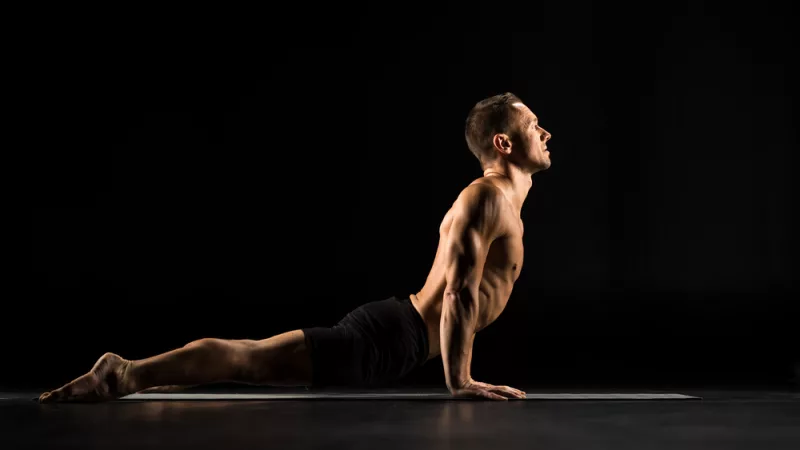
- Poses focusing on the core, legs, and back, such as the Plank, Warrior II, and Downward-Facing Dog, are particularly beneficial.
-
Can yoga help with post-ride recovery?
- Yes, gentle yoga can aid in muscle recovery, reducing stiffness and soreness after long rides.
-
Is yoga suitable for beginners or those new to fitness?
- Absolutely, yoga offers various levels of difficulty, making it accessible to beginners and seasoned athletes alike.
No products found.
Conclusion
For sportbike riders, incorporating yoga into their fitness regimen can lead to significant improvements in flexibility, strength, mental focus, and overall riding performance. Whether it’s through attending a yoga class, following online tutorials, or practicing at home, the benefits of yoga can help riders enjoy a more comfortable, focused, and enjoyable riding experience.
Sportbike riding is not just about the machine and the road; it’s also about the rider’s body and mind. Yoga offers a holistic approach to enhance both, ensuring that riders can tackle every curve with grace, precision, and ease.
For more insights into fitness and wellness for riders, visit RunTheCity’s Fitness Blog.
No products found.


You forgot MiamiAndMerch; this list is so inaccurate it’s not even funny. Some these “motovloggers” rarely posts or have view more then 15 videos
When you get a chance send the links to the motovloggers I missed so I can add them to this list. Thanks!
Defo need to add saffysprocket
Nice👍👏😊 to get the chance of bikes🚴.