In the world of motorcycles, the allure of top speed is undeniable. Images of sleek machines blurring across racetracks and boasting impressive numbers often dominate the conversation. However, for many riders, true performance goes beyond simply hitting the highest speedometer reading. Just like a good book isn’t judged solely by its length, a motorcycle’s true capabilities extend far beyond a single metric.
Key Takeaways
- Top speed isn’t the only measure of motorcycle performance. Consider factors like acceleration, handling, braking performance, and power-to-weight ratio to find the perfect bike for your needs.
- Different riding styles prioritize different performance aspects: acceleration for city riding, handling for navigation, braking for safety, and power-to-weight ratio for sport riding.
- Choose a motorcycle that aligns with your individual riding style and preferences for the most enjoyable and fulfilling experience.
Comparison Table: Conventional vs. Unconventional Motorcycle Performance Measures
| Feature | Conventional | Unconventional |
|---|---|---|
| Focus | Top Speed | Acceleration, Handling, Braking, Power-to-Weight Ratio |
| Relevance | Limited | More comprehensive picture, caters to various riding styles |
| Examples | MPH (km/h) | 0-60 mph (0-100 km/h) time, suspension travel, braking distance, horsepower per kilogram |
This article delves deeper, exploring unconventional measures of motorcycle performance that cater to various riding styles and needs. While top speed has its place, focusing solely on this number can paint an incomplete picture of a motorcycle’s true potential. Here are some key performance factors to consider:
1. Acceleration:
The thrill of the launch, the surge of power as you twist the throttle, is an essential part of the riding experience. Acceleration, measured in seconds from 0 to 60 mph or 0 to 100 km/h, indicates how quickly a motorcycle can gain speed. This metric is particularly important for city riding and overtaking maneuvers, offering confidence and responsiveness in everyday situations.
2. Handling:
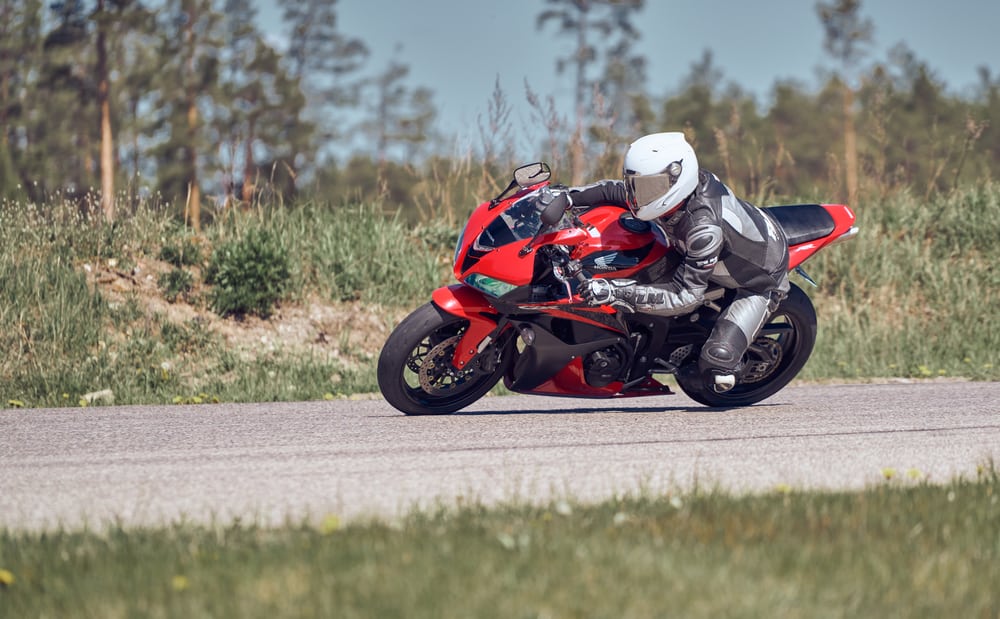
The ability of a motorcycle to carve through corners with precision and stability is crucial for a confident and enjoyable ride. Handling encompasses factors like suspension, steering geometry, and tire grip. A well-handling motorcycle feels planted and predictable, allowing riders to navigate curves confidently and explore the twisties with ease.
3. Braking Performance:
The ability to slow down effectively and safely is paramount for any motorcycle. Braking performance is measured by the distance it takes a motorcycle to come to a complete stop from a specific speed. Powerful and responsive brakes inspire confidence, especially on mountain roads or in unexpected situations.
4. Power-to-Weight Ratio:
This metric combines engine power and motorcycle weight. A higher power-to-weight ratio signifies a lighter bike with more power, translating to better acceleration, agility, and overall responsiveness. This factor is especially relevant for sport-oriented riding and track days, where quick maneuvering and responsiveness are crucial.
Finding the Right Balance:
The ideal combination of these performance metrics depends on your individual riding style and preferences. Tourers might prioritize comfort and long-distance capabilities, while track riders might seek razor-sharp handling and agile responsiveness.
6 FAQs About Unconventional Motorcycle Performance Measures
1. What’s the difference between horsepower and torque?
Horsepower measures an engine’s ability to generate power, while torque measures its twisting force. Both contribute to a motorcycle’s performance, with a good balance being ideal.
2. How does suspension affect handling?
Suspension plays a crucial role in absorbing bumps and maintaining tire contact with the road, leading to improved stability and control.
3. Are ABS brakes important?
Anti-lock braking systems (ABS) help prevent wheel lockup during hard braking, providing increased control and shorter stopping distances, especially in slippery conditions.
4. What’s the ideal power-to-weight ratio for me?
A higher power-to-weight ratio generally translates to better acceleration and agility. However, consider your riding style and skill level. A lighter, more powerful bike might be harder to handle for beginners.
5. How can I test a motorcycle’s performance before buying?
Many dealerships offer test rides so you can experience the motorcycle’s performance firsthand. Consider different models and riding scenarios to find the best fit.
6. What are some safety considerations when evaluating motorcycle performance?
Always prioritize safety first. Focus on factors like braking performance, handling, and visibility to ensure a safe and enjoyable riding experience.
Facts & Statistics: Motorcycle Usage and Performance Preferences
- 70% of motorcycle owners use their bikes for leisure riding. (https://www.statista.com/study/91633/motorcycles-report/)
- 30% of motorcycle owners commute to work on their bikes. (https://www.statista.com/study/91633/motorcycles-report/)
- Among sportbike owners, 65% prioritize handling and agility, while 42% prioritize acceleration. (https://www.statista.com/study/91633/motorcycles-report/)
By understanding these unconventional measures and evaluating them against your needs, you can make a more informed decision when choosing a motorcycle that perfectly aligns with your riding experience. Remember, the fastest motorcycle on the market isn’t always the “best” for everyone. Ultimately, the perfect motorcycle is the one that delivers the performance characteristics that bring you the most enjoyment and confidence on the road.
You Might also like
-
The Benefits of Owning a Sportbike: A Comprehensive Guide
Riding a sportbike is a unique and thrilling experience that offers a variety of benefits for those who choose to make it a part of their lifestyle. From the rush of adrenaline to the sense of freedom and adventure, sportbikes offer riders a way to escape the mundane and experience life to the fullest. In this article, we will delve into the many benefits of owning a sportbike, from the physical and mental benefits to the practical and financial advantages.
Sportbikes are a type of motorcycle designed for speed and agility, offering a thrilling and unique riding experience that is unmatched by any other type of vehicle. From the roar of the engine to the wind in your face, sportbike riding provides a sense of excitement and adventure that is hard to replicate. Whether you are a seasoned rider or a newcomer to the sport, the benefits of owning a sportbike are numerous and far-reaching. In this article, we will explore the many benefits of sportbike ownership, from the physical and mental health benefits to the practical and financial advantages.
Sportbike riding is more than just transportation – it is a way of life. It provides a sense of freedom and escape from the daily grind, allowing you to explore new roads and destinations and experience life to the fullest. For many riders, owning a sportbike is not just about having a fast and stylish vehicle, but about being part of a community and experiencing a sense of camaraderie with other riders.
Whether you are looking to improve your physical and mental health, save money on your daily commute, or simply experience the thrill of the open road, sportbike ownership has something to offer everyone. So why not join the ranks of sportbike riders today and discover the many benefits of this exciting and rewarding hobby?
Physical and Mental Benefits
- Improved Physical Fitness: Riding a sportbike requires a certain level of physical fitness, as well as coordination and balance. Over time, this type of riding can help improve your overall fitness, increase your energy levels, and even lead to weight loss. The physical demands of sportbike riding can also help reduce stress levels and improve flexibility and dexterity.
- Improved Mental Health: Sportbike riding has numerous mental health benefits, including reducing anxiety and depression, improving cognitive function and concentration, and providing a sense of calm and clarity. The rush of adrenaline that comes with sportbike riding can also boost your mood and help you feel more alive. In addition, the sense of adventure and excitement that comes with sportbike riding can help improve your overall well-being and provide a much-needed escape from the daily grind.
- Sense of Freedom and Adventure: Owning a sportbike opens up a world of possibilities, from exploring new roads and destinations to simply enjoying the open road. The freedom and sense of adventure that comes with sportbike riding is unmatched and provides a much-needed escape from the daily grind. Whether you are riding solo or with a group of friends, the experience of riding a sportbike is both liberating and exhilarating.
- Improved Hand-Eye Coordination: Sportbike riding requires quick reflexes and precise hand-eye coordination, both of which can improve with regular riding. This can have a positive impact on other aspects of your life, from driving to sports and other physical activities.
- Stress Relief: The fast pace and excitement of sportbike riding can provide a much-needed escape from the daily stressors of life. Whether you are riding through the countryside or navigating through city traffic, sportbike riding can provide a sense of calm and relaxation that is hard to replicate.
Practical and Financial Benefits
- Cost-Effective Transportation: Sportbikes are often more cost-effective than traditional cars and can be an affordable way to get around. With high gas mileage and low maintenance costs, sportbikes can save you money on your daily commute or weekend adventures.
- Ease of Parking: Sportbikes are smaller and more maneuverable than traditional cars, making them easier to park in tight spaces. This can save time and hassle, especially in busy urban areas where parking can be a challenge.
- Reduced Commute Time: Sportbikes are faster and more agile than traditional cars, making them ideal for navigating through traffic and reducing your commute time. Whether you are commuting to work or simply running errands, a sportbike can get you where you need to be faster and more efficiently.
- Environmentally Friendly: Sportbikes are more environmentally friendly than traditional cars, producing fewer emissions and using less fuel. This can help reduce your carbon footprint and contribute to a healthier planet.
- Personalization Opportunities: Owning a sportbike provides an opportunity to personalize and customize your vehicle to suit your style and preferences. From choosing the right accessories to customizing the look of your bike, there are countless ways to make your sportbike truly your own.
Conclusion
Whether you are a seasoned rider or just starting out, the benefits of owning a sportbike are numerous and diverse. From the physical and mental health benefits to the practical and financial advantages, sportbike riding offers riders a unique and exciting way to experience life. Whether you are looking for adventure, freedom, or simply a way to improve your daily commute, a sportbike is the perfect vehicle to help you achieve your goals. So why not experience the thrill of the open road for yourself and see what owning a sportbike can do for you?
-
Where Can I Sell My Motorcycle?
If you have made the decision to sell your motorcycle, whether because you want to upgrade or because you have different priorities, knowing where to sell your bike is as important as knowing what to ask for it.
Selling your bike is already a difficult enough decision in many cases, so there is no need for the added stress of knowing the best place to sell your motorcycle. These tips can help you find the perfect place to sell your bike and will provide you with some tips that could make the process go more smoothly. You can find a few more tips on how to sell your motorcycle here.
Where Can I Sell My Motorcycle Offline?
Selling a motorcycle offline may not be as difficult as you think. You can place a “For Sale” sign on the bike when it is parked in your yard and it is possible someone riding by may decide it is the perfect bike for them. You can also take out an ad in the classified section of your local newspaper, although you will need to pay for the ad whether the bike sells or not. If there is a bulletin board in your neighborhood where people post about lost pets or yard sales, ask if you can post a sign about your motorcycle.
Tell your friends, family and co-workers that your bike is for sale. They may know someone who is in the market.
If you are selling your bike because you want to upgrade, talk to the dealer about trading in your old bike on a new one. Keep in mind that a dealer may offer you less for the bike than you could get if you sold it yourself, but it would eliminate the hassle of selling it yourself.
Offline Selling Options:
Dealership: Selling your motorcycle to a dealership can be a convenient option if you’re looking to trade it in for a new model. While you may receive a lower offer compared to selling it privately, it eliminates the hassle of handling the sale yourself.
Local Newspaper: Placing an ad in the classified section of your local newspaper can reach potential buyers in your community. However, you’ll need to pay for the ad, regardless of whether your bike sells or not.
Front Lawn: Putting up a “For Sale” sign on your bike while it’s parked in your yard might catch the eye of passersby, leading to potential buyers.
Flea Market or Motorcycle Show: Participating in flea markets or motorcycle shows can expose your bike to a targeted audience of enthusiasts who might be interested in purchasing it.
Bulletin Boards: Check if there are bulletin boards in your neighborhood where you can post a sign about your motorcycle for sale.
Advantages of Offline Selling:
When you sell your motorcycle offline, one cool thing is that you can reach folks right in your own community. You might get lucky with someone riding by, checking out your “For Sale” sign, and thinking, “Hey, that’s the perfect bike for me!” Plus, you get to have those face-to-face interactions with potential buyers. It’s a chance to show off your bike in person, talk about its features, and make a more personal connection.
Disadvantages of Offline Selling:
Now, the downside of selling offline is that your audience is more limited compared to the vast world of the internet. You’re sticking to your local turf, and not everyone in your community might be interested in buying a motorcycle at that moment. It can take some time and effort to find the right buyer, and you might need to keep at it for a while.
Also, if your motorcycle is kind of niche or unique, you might not find the right audience nearby. It’s like trying to sell an old-school chopper in a town that’s all about sportbikes. You might not find the perfect match for your bike’s awesomeness.
Where Can I Sell My Motorcycle Online?
There are many different online options you can use to sell your bike. Craigslist is a free online advertising service, but keep in mind that some of the people who use the service are not above-board. If a buyer wants to purchase the bike from a Craigslist ad, insist on cash or certified funds at the time of the sale.
Ebay is another option for selling your bike, especially if it is unique or hard-to-find. You do not pay for listing your bike on Ebay until it sells and the buyer will pay for any shipping costs. It could be difficult, however, to find a company that will ship your bike so you want to research shipping prior to listing the bike for sale.
Online Selling Options:
Craigslist: Craigslist is a popular online classifieds platform where you can post your motorcycle ad for free. However, exercise caution as there might be some scammers and fraudsters on the platform. Insist on cash or certified funds for a safe transaction.
eBay: eBay offers a broad audience, making it suitable for unique or hard-to-find motorcycles. You only pay a fee when your bike sells, and the buyer covers shipping costs. Research shipping options before listing your bike.
Facebook Marketplace: Facebook Marketplace has gained popularity for buying and selling motorcycles and parts. With a large user base, it’s an accessible platform to reach potential buyers.
Facebook Groups: Joining motorcycle-specific Facebook groups can connect you with enthusiasts interested in your type of bike.
Motorcycle-Specific Websites: Platforms like Motorcycle.com, CycleTrader, and RumbleOn focus on motorcycles, ensuring your ad reaches a targeted audience.
Facebook Marketplace
Recently Facebook Marketplace has become really popular for buying and selling motorcycles and motorcycle parts. You can discover bikes for sale near you. Easy to use on your phone or your desktop, and most people already have a Facebook account.
Take a look at a few other places you can sell your sportbike online:
The Best Apps to Sell My Motorcycle
One option for selling your bike online, designed specifically for buying or selling motorcycles, is RumbleOn. The site is available as a mobile app that allows you to put in all the info about your bike, take photos and upload to the site. RumbleOn sends you a Cash Offer Voucher that is good for three days. If you agree, they come get the bike and handle all the paperwork.
CycleTrader is another app that allows you to sell motorcycles and also includes reviews available online.
These apps are available in the Apple or Google Play Store:
Google Play Store Apps
On Apple Itunes Apps
Advantages of Online Selling:
Selling your motorcycle online opens up a whole world of possibilities! You get a way bigger audience, reaching potential buyers from different corners of the globe. It’s like your bike is getting the red carpet treatment, and people from all over can admire its beauty.
And the best part? You can do it all from the comfort of your own home, sipping on a cup of coffee. No need to put on pants or leave the house. Just hop online, snap some pics of your awesome bike, and let the internet do its magic. It’s super convenient, accessible 24/7, and you can connect with buyers from anywhere with an internet connection.
The online world gives you cool options for targeted advertising too. If you’ve got a sporty beast, you can hit up those motorcycle-related websites and social media groups where fellow speed enthusiasts hang out. Talk about getting your bike in front of the right crowd!
Disadvantages of Online Selling:
But hey, the internet isn’t all rainbows and unicorns. There are a few things to watch out for when selling online. Scammers and fraudsters like to lurk in the shadows of certain platforms, so you’ve got to be vigilant. Don’t worry though, we’ll tell you how to deal with those bad apples in a bit.
Also, dealing with inquiries and negotiations online can sometimes feel like you’re running a 24/7 customer service hotline. It can take up some of your time, replying to messages and answering questions. But hey, it’s all part of the game, right?
Oh, and shipping logistics, that can be a bit of a headache. Especially if your motorcycle is a big boy. You’ve got to figure out how to get it from point A to point B without a scratch. But don’t worry, where there’s a will, there’s a way! Consider A1Autotransport to transport your vehicle.
Warning about Scams and How to Avoid Them:
Now, let’s talk about those pesky scammers. They’re like the gremlins of the internet, always trying to cause trouble. But don’t worry, we’ve got some tips to keep you safe from their tricks.
First things first, when someone wants to buy your bike, insist on cold, hard cash or certified funds. No personal checks or money orders. Those things can be faker than a unicorn.
If you’re meeting up with a potential buyer, be smart about it. Choose public places with cameras or bring a buddy along for backup. Safety first, always!
And before you hand over your precious motorcycle, make sure any certified funds are legit and safely cleared in your account. No funny business!
Remember, this is about selling your bike, not your life story. Be cautious about sharing personal info with potential buyers. Stick to talking about your motorcycle and its amazing features.
One last thing – do some online sleuthing. Research the buyer’s profile and reputation if you can. It’s like giving them a background check to make sure they’re the real deal.
With these tips in your back pocket, you’ll be a scam-fighting superhero, ready to conquer the online selling world! Stay safe and sell that motorcycle like the boss you are!
Avoid Scams When Purchasing a Mortocycle With This Checklist
Insist on Cash or Certified Funds: Avoid accepting personal checks or money orders, as they can be forged or canceled. Insist on cash or certified funds for a secure transaction.
Meet in Safe Locations: If meeting with a potential buyer, choose public places with surveillance cameras or bring a friend along for added safety.
Verify Payment: Before handing over the motorcycle, ensure that any certified funds are legitimate and have cleared in your account.
Don’t Share Personal Information: Be cautious about sharing personal information with potential buyers. Stick to discussing the motorcycle details.
Research Buyer’s Information: If selling online, research the buyer’s profile and reputation if possible to gauge their credibility.
By following these guidelines, you can reduce the risk of falling victim to scams and ensure a safer selling experience.
In conclusion, selling your motorcycle can be a challenging decision, but with the right approach and platform, you can find the perfect buyer. Offline options offer localized reach and personal interactions, while online platforms provide access to a broader audience. To safeguard against scams, practice caution, and follow best practices when dealing with potential buyers. Good luck with your motorcycle sale!
If you want more information on selling your motorcycle or need tips on getting the best price for your bike, subscribe to our YouTube channel.
-
Unveiling the Reality of Motorcycle Face Masks: Protection, Comfort, and the Road Ahead
The wind whipping past your face, the rumble of the engine beneath you, the feeling of freedom as you navigate the open road – motorcycles offer an unparalleled experience that exhilarates the soul. However, this sense of liberation comes hand-in-hand with inherent risks. Unlike car drivers enclosed in a metal cage, motorcyclists are directly exposed to the elements and potential hazards on the road.
According to the National Highway Traffic Safety Administration (NHTSA), motorcyclists are 27 times more likely to be killed in a crash than occupants of passenger vehicles. While helmets play a crucial role in mitigating head injuries, facial injuries remain a significant concern for motorcycle riders. This is where motorcycle face masks emerge as a potential solution, sparking questions and sparking interest within the riding community.
Despite their growing popularity, there’s a lack of widespread knowledge and understanding surrounding motorcycle face masks. Are they truly effective in enhancing safety and comfort? What are the different types available, and how do you choose the right one for your needs? This article delves into the unveiling reality of motorcycle face masks, exploring their benefits, drawbacks, and crucial considerations to guide you towards informed decision-making.
Key Takeaways
- Motorcycle face masks offer potential benefits like increased protection from debris, elements, and improved comfort, but they also have drawbacks like reduced airflow and fogging.
- Choose the right mask based on your riding style, needs, and preferences, prioritizing breathability, material, and a snug fit.
- Motorcycle face masks are not a substitute for proper safety gear and responsible riding practices.
Comparison Table: Full-Face vs. Half-Face Motorcycle Face Masks
Feature Full-Face Mask Half-Face Mask Coverage Entire face, head, and often neck Nose and mouth Protection Most comprehensive Limited Breathability Lower Higher Comfort Can be less comfortable, especially in hot weather More comfortable Communication May be challenging Easier Cost Generally more expensive Generally more affordable Types of Motorcycle Face Masks
Types of Motorcycle Face Masks
The world of motorcycle face masks offers a variety of options to cater to different preferences and riding styles. Here’s a breakdown of the two main categories, along with their unique characteristics:
1. Full-Face Masks:
- Comprehensive Protection: Full-face masks, resembling motorcycle helmets with a clear visor, provide the most extensive coverage. They shield the entire face, head, and often the neck, offering superior protection against:
- Impact: In the unfortunate event of an accident, a full-face mask acts as a barrier against road debris, gravel, and potential impacts, minimizing the risk of facial injuries.
- Elements: Full-face masks shield riders from wind, dust, rain, snow, and other harsh weather elements, enhancing comfort and visibility on long journeys.
- Insects: They provide a welcome shield against flying insects, especially beneficial for riders in areas with heavy bug populations.
- Enhanced Visibility (Optional): Certain models come equipped with integrated anti-fog features and a clear, wide visor, ensuring optimal visibility in various weather conditions.
- Drawbacks:
- Limited Airflow: Full-face masks can restrict airflow, leading to potential discomfort and fogging issues, especially in hot weather or during strenuous riding.
- Communication Challenges: Communicating with fellow riders or pedestrians might be hindered, particularly with models that lack integrated communication systems.
2. Half-Face Masks:
- Breathability and Comfort: Unlike their full-face counterparts, half-face masks prioritize breathability and comfort. They come in various designs, including:
- Bandanas: These versatile and affordable options offer basic protection for the nose and mouth, often made from breathable materials like cotton or synthetic blends.
- Balaclavas: These full-head coverings, often made from moisture-wicking fabrics, provide warmth and protection for the face, ears, and neck, particularly suitable for cold weather riding.
- Specialized Masks: Options exist for specific needs, such as dust masks for off-road riding or cold weather masks with windproof and thermal properties.
- Benefits:
- Affordability: Half-face masks are generally more affordable compared to full-face masks.
- Comfort: They offer superior breathability, reducing the risk of overheating and fogging, making them ideal for hot weather conditions.
- Limitations:
- Reduced Protection: Half-face masks offer limited protection compared to full-face options, leaving the eyes, forehead, and cheeks exposed to potential impacts and weather elements.
Choosing the right type of motorcycle face mask boils down to your individual needs and riding style. Consider factors like the level of protection desired, weather conditions in your riding environment, and personal preferences for comfort and breathability.
Benefits of Using Motorcycle Face Masks
While the decision to wear a motorcycle face mask ultimately depends on personal preference and riding style, there are several potential benefits to consider:
Enhanced Safety:
- Reduced Injury Risk: Face masks offer an extra layer of protection against road debris, gravel, and small objects that could potentially cause facial injuries during a fall or collision. While not a substitute for proper riding gear and safe riding practices, they can minimize the potential for cuts, scrapes, and abrasions.
- Improved Visibility: Certain full-face masks with clear visors can actually improve visibility by shielding your eyes from dust, wind, and rain. This can be particularly beneficial during long rides or in weather conditions that might impair vision.
Increased Comfort and Enjoyment:
- Protection from the Elements: On longer journeys, exposure to wind, dust, and harsh weather elements can become uncomfortable. Motorcycle face masks provide a shield against these elements, helping to maintain a more pleasant and comfortable riding experience.
- Reduced Fatigue: Dust and windblown particles can contribute to eye irritation and fatigue, especially over extended periods. Face masks can effectively minimize these issues, allowing you to stay focused and refreshed for a longer ride.
- Sun Protection: While not all masks offer this benefit, some materials provide a degree of UV protection, helping to shield your face from the sun’s harmful rays, especially relevant for riders in sunny regions.
It’s important to remember that motorcycle face masks are not a replacement for safe riding practices and proper safety gear like helmets. However, when used responsibly and in conjunction with other safety measures, they can offer additional benefits and contribute to a more enjoyable and potentially safer riding experience.
Drawbacks and Considerations
While motorcycle face masks offer potential benefits, there are also drawbacks and important considerations to keep in mind before making a purchase:
Drawbacks:
- Reduced Airflow and Fogging: Full-face masks, especially those lacking proper ventilation features, can restrict airflow, leading to discomfort and potentially causing the visor to fog, particularly in hot or humid weather.
- Communication Challenges: Full-face masks can hinder communication with other riders or pedestrians, especially if they lack integrated communication systems or have features that muffle speech.
- Limited Effectiveness in High-Speed Crashes: While offering some protection against debris and minor impacts, it’s crucial to remember that motorcycle face masks are not rigorously tested to the same standards as helmets and might not offer significant protection in high-speed crashes.
Considerations:
- Legality: Regulations regarding motorcycle face masks vary by region. It’s essential to check the local laws in your area to ensure their use is legal before making a purchase.
- Material and Breathability: Choose masks made from breathable materials that prioritize both protection and air circulation to minimize discomfort and fogging.
- Fit and Comfort: A snug but comfortable fit is crucial for proper protection and preventing fogging. Ensure the mask doesn’t restrict your vision or head movement excessively.
- Safety Certifications: Unlike motorcycle helmets that have established safety standards (e.g., DOT, ECE), there are currently no specific safety certifications for motorcycle face masks. Choose reputable brands and prioritize masks made from high-quality materials for greater peace of mind.
By understanding these drawbacks and considerations, you can make an informed decision that aligns with your individual needs and prioritizes safety on the road.
Choosing the Right Motorcycle Face Mask
Navigating the world of motorcycle face masks can feel overwhelming with diverse options available. Here’s a guide to help you select the perfect mask for your riding style:
1. Identify Your Needs and Riding Style:
The first step is to understand your individual needs and the type of riding you primarily engage in. Consider the following:
- Protection Level: Do you prioritize comprehensive protection for frequent highway rides, or is basic coverage sufficient for occasional commutes?
- Weather Conditions: Will you be riding primarily in hot weather, requiring maximum breathability, or do you face frequent cold and require wind protection?
- Comfort Preferences: Do you prioritize a lightweight, barely-there feel, or are you comfortable with a mask offering more substantial coverage?
2. Prioritize Breathability and Material:
Breathability is crucial for comfort and preventing fogging. Choose masks made from:
- Moisture-wicking fabrics: These fabrics like polyester or merino wool effectively manage sweat and prevent discomfort, especially during warm weather riding.
- Mesh materials: Ideal for hot weather, mesh masks offer superior breathability while still providing basic protection against dust and debris.
3. Ensure a Proper Fit:
A snug but comfortable fit is essential for both safety and preventing fogging. The mask should:
- Securely fit around your face without being overly tight or restrictive.
- Not obstruct your vision or head movement in any way.
- Offer a good seal around the edges to prevent dust and wind infiltration.
4. Consider Additional Features:
Depending on your needs, you might find these features beneficial:
- Visor: For full-face masks, choose a clear, anti-fog visor to ensure optimal visibility in various weather conditions.
- Ventilation: Look for masks with strategically placed vents to promote airflow and reduce fogging.
- Removable filters: Some masks offer replaceable filters for additional protection against dust and allergens.
5. Remember, Safety First:
While motorcycle face masks can offer benefits, they are not a substitute for proper safety gear like helmets and protective clothing. Always prioritize safe riding practices and responsible decision-making on the road.
By following these steps and considering your individual needs and preferences, you can choose the best motorcycle face mask to enhance your riding experience while prioritizing your well-being on the road.
6 FAQs About Motorcycle Face Masks
1. Are motorcycle face masks required by law?
The legal regulations regarding motorcycle face masks vary by region. It’s crucial to check the local laws in your area before using one.
2. What materials are best for motorcycle face masks?
Choose masks made from breathable materials like moisture-wicking fabrics (polyester, merino wool) or mesh for hot weather, prioritizing both protection and airflow.
3. How do I prevent my motorcycle face mask from fogging?
Look for masks with anti-fog visors and proper ventilation. Ensure a snug fit and avoid touching the inside of the visor with your gloves.
4. Can I wear a motorcycle face mask with a helmet?
Yes, most motorcycle face masks are designed to be worn comfortably under a helmet. However, ensure compatibility and a proper fit to avoid discomfort or restricted movement.
5. Where can I buy a motorcycle face mask?
Motorcycle face masks can be found at motorcycle dealerships, online retailers, and outdoor gear stores.
6. Are motorcycle face masks effective against COVID-19?
While some motorcycle face masks might offer basic protection against airborne particles, they are not certified medical equipment and should not be solely relied upon for COVID-19 prevention. Always follow official health guidelines and recommendations.
Facts & Statistics: Motorcycle Usage and Face Mask Preferences
- 70% of motorcycle owners use their bikes for leisure riding. (https://www.statista.com/study/91633/motorcycles-report/)
- 30% of motorcycle owners commute to work on their bikes. (https://www.statista.com/study/91633/motorcycles-report/)
- There are currently no established safety certifications for motorcycle face masks.
Conclusion
The world of motorcycle riding is an exhilarating experience, but it also comes with inherent risks. Motorcycle face masks have emerged as a potential solution, offering additional protection and comfort for riders. However, it’s crucial to approach them with a balanced perspective, acknowledging both their benefits and drawbacks.
This article has provided a comprehensive overview of different types of motorcycle face masks, their potential advantages and limitations, and crucial factors to consider when making a choice. Remember, the ideal mask depends on your individual needs, riding style, and comfort preferences.
Ultimately, safe riding practices and prioritizing safety gear remain paramount. Consider motorcycle face masks as a potential complement to your existing safety measures, not a replacement. By making informed choices and prioritizing your well-being, you can ensure a more enjoyable and potentially safer journey on the open road.