
Start Achieving Lasting Health and Happiness Now
Plan Walking Breaks Throughout Your Day
Sitting for extended periods can have a detrimental impact on your health. It can affect your posture, blood circulation, and overall energy levels. Taking short walks throughout the day can help alleviate these problems. You can take a walk during your lunch break, make it a habit to stand up and stretch every hour, or take the stairs instead of the elevator. If you want to take a longer walk, consult a walk score map to find the best walking spots nearby. Regular physical activity can help you maintain a healthy weight, lower your risk of chronic diseases, and improve your mental health.Start Your Day With Breakfast
Making breakfast a daily habit is an excellent way to kick-start your metabolism and provide your body with the energy it needs to face the day. Consuming a nutritious breakfast can help enhance cognitive function, improve your mood and reduce your risk of overeating throughout the day. Make sure to opt for whole-grain, low-fat, and high-protein options instead of high-fat and high-calorie foods. Taking the time to prepare your breakfast instead of rushing out of the house is a form of self-care and the foundation to a great morning routine.Focus on Hydration
Staying hydrated is essential for maintaining a healthy body. Drinking water throughout the day helps regulate body temperature, remove waste, and lubricate joints. Make it a habit to drink at least 2 liters of water every day, and if you find that too difficult, try adding slices of lemon, cucumber, or mint to your water to give it some flavor. You may struggle with staying hydrated if you consume a lot of caffeine. Take time to look up the caffeine content of your favorite beverages. You may be surprised by how much you’re consuming. Remember, staying consistently hydrated can help you feel more energized, and it may also improve your skin’s appearance.
-

Pre-Workout vs. Post-Workout Supplements: What You Need to Know for Optimal Fitness Results
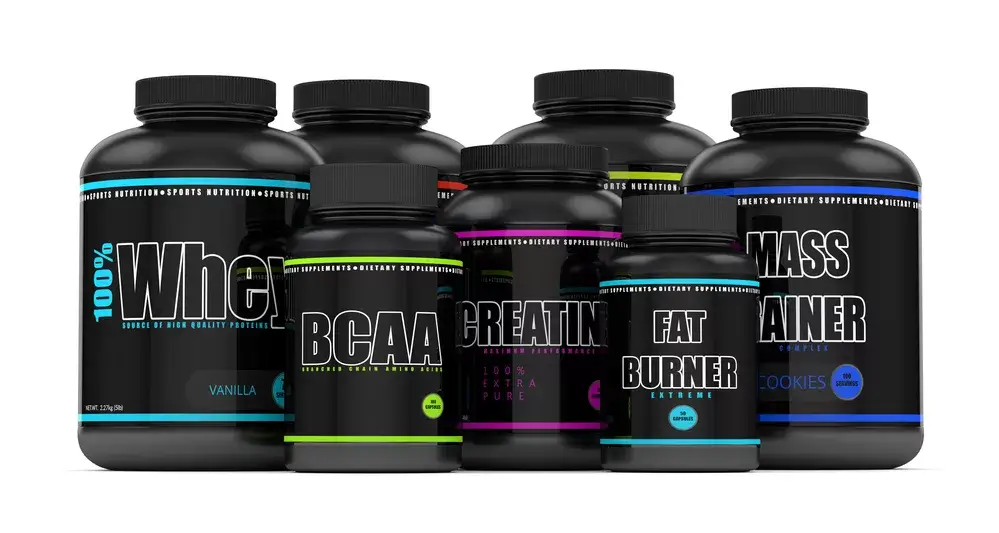
In the realm of fitness, the timing of your nutrition is just as crucial as the workouts themselves. It’s a key factor that can significantly influence your performance, recovery, and overall progress towards your fitness goals. This is where the roles of pre-workout and post-workout supplements come into play, each serving distinct purposes that complement your exercise regimen. Pre-workout supplements are designed to prime your body for peak performance during your workouts, while post-workout supplements aid in recovery and muscle rebuilding after the exertion. The purpose of this article is to delve into the specifics of pre vs post workout supplements, providing insights into how to choose the best options available on Amazon, tailored to meet different fitness objectives.
Key Takeaways
- Pre-workout supplements are designed to enhance energy, focus, and endurance, allowing for more effective workouts.
- Post-workout supplements support recovery, muscle repair, and nutrient replenishment after exercise.
- Both types of supplements should be chosen based on individual fitness goals, dietary needs, and safety considerations.
- Timing and proper hydration are crucial for maximizing the benefits of pre- and post-workout supplements.
- Always consult with a healthcare provider before starting any new supplement regimen, especially if you have pre-existing health conditions or are taking other medications.
Comparison Table: Pre-Workout vs. Post-Workout Supplements
Feature Pre-Workout Supplements Post-Workout Supplements Primary Goal Enhance workout performance Support recovery and muscle repair Key Ingredients Caffeine, beta-alanine, creatine Protein, BCAAs, glutamine, electrolytes Timing 30-60 minutes before exercise Within 45 minutes after exercise Benefits Increased energy, focus, endurance Improved muscle recovery, growth Considerations Potential overstimulation, hydration Protein quality, dietary preferences Understanding Pre-Workout Supplements
Definition and Purpose of Pre-Workout Supplements
Pre-workout supplements are designed to amplify your energy, improve your stamina, and sharpen your focus during workouts. They’re formulated to prepare both your body and mind for the demands of intense exercise sessions, ensuring you can perform at your peak from start to finish. The ultimate goal of a pre-workout supplement is to help you achieve better results from your training by enhancing your ability to train harder and for longer periods.
Key Ingredients Typically Found in Pre-Workouts and Their Benefits
- Caffeine: A central nervous system stimulant, caffeine is well-known for its ability to increase alertness and delay fatigue. It enhances endurance and performance by mobilizing fat stores and increasing the availability of energy during workouts.
- Beta-Alanine: This amino acid boosts the concentration of carnosine in muscles, helping to reduce lactic acid accumulation during high-intensity activities. The result is a significant delay in muscle fatigue and an increase in overall workout performance.
- Creatine: Creatine is involved in the production of ATP (adenosine triphosphate), the primary energy carrier in cells. It increases physical performance in successive bursts of short-term, high-intensity exercise, making it perfect for weightlifters, sprinters, and anyone performing heavy lifting or explosive movements.

How Pre-Workout Supplements Enhance Performance, Endurance, and Focus
How Pre-Workout Supplements Enhance Performance, Endurance, and Focus
By combining ingredients like caffeine, beta-alanine, and creatine, pre-workout supplements can significantly improve your exercise capabilities. Caffeine sharpens focus and awareness, allowing you to remain dedicated and attentive to your workout. Beta-alanine and creatine work to enhance physical performance by delaying fatigue and increasing energy production, respectively. This combination ensures that both your mind and body are primed for peak performance, enabling you to push beyond your usual limits with increased endurance and strength.
Considerations for Choosing a Pre-Workout Supplement
When selecting a pre-workout supplement, it’s essential to consider the following factors to find the best fit for your fitness journey:
- Ingredient Transparency: Look for products that clearly list their ingredients and dosages. This transparency allows you to understand exactly what you’re consuming and to avoid any hidden or potentially harmful substances.
- Dietary Restrictions: If you have specific dietary restrictions or preferences (such as vegan, gluten-free, or allergen-free), ensure the pre-workout supplement you choose complies with these requirements.
- Specific Fitness Goals: Your fitness objectives should guide your choice of pre-workout supplement. For instance, if your focus is on endurance training, look for supplements rich in beta-alanine. Conversely, if increasing strength is your goal, prioritize products with creatine.
- Side Effects and Tolerance: Pay attention to how your body responds to different ingredients, especially stimulants like caffeine. Some individuals may experience jitters, anxiety, or gastrointestinal discomfort. Starting with a half dose can help gauge your tolerance.
By carefully considering these aspects, you can select a pre-workout supplement that not only boosts your workout performance but also aligns with your health priorities and fitness goals, setting the stage for enhanced and sustained exercise success.

Exploring Post-Workout Supplements
Exploring Post-Workout Supplements
Definition and Purpose of Post-Workout Supplements
Post-workout supplements are specifically designed to aid in the recovery process after intense physical activity. Their primary purpose is to replenish lost nutrients, facilitate muscle repair and growth, and reduce recovery time. After a workout, your body is in a state of repair, seeking to replenish glycogen stores and repair the micro-tears in muscle fibers. The right post-workout supplement can significantly impact the speed and effectiveness of this recovery process, enabling you to return to your training regime sooner and with better results.
Critical Components of Post-Workouts and Their Roles in Recovery
- Protein: Essential for muscle repair and growth. Consuming protein after a workout provides the amino acids necessary for protein synthesis, helping to rebuild the damaged muscle tissue.
- BCAAs (Branched-Chain Amino Acids): Comprising leucine, isoleucine, and valine, BCAAs are crucial for muscle recovery. Leucine, in particular, plays a key role in protein synthesis, while isoleucine and valine help regulate blood sugar levels and provide energy to muscle cells.
- Glutamine: An amino acid that aids in the recovery process by reducing muscle soreness and supporting immune system function, which can be compromised after intense workouts.
- Electrolytes: Lost through sweat during exercise, electrolytes such as sodium, potassium, and magnesium are essential for hydration and maintaining proper muscle function. Replenishing electrolytes helps prevent cramping and facilitates muscle recovery.
The Importance of Post-Workout Nutrition for Muscle Recovery, Growth, and Replenishment
Effective post-workout nutrition is vital for optimal muscle recovery and growth. It helps replenish glycogen stores depleted during exercise, aids in the repair of damaged muscle tissue, and supports overall recovery to reduce fatigue and soreness. This nutritional support is crucial not only for muscle rebuilding but also for enhancing overall performance in subsequent workouts.
Tips for Selecting the Right Post-Workout Supplement
- Protein Quality: Look for high-quality protein sources such as whey, casein, or plant-based proteins that offer a complete amino acid profile. This ensures efficient muscle repair and growth.
- Recovery Aids: Choose supplements that include additional recovery aids like BCAAs and glutamine to enhance the muscle repair process and decrease recovery time.
- Avoiding Unnecessary Additives: Opt for supplements with minimal artificial sweeteners, colors, and preservatives. These additives offer no nutritional benefit and may hinder your health and fitness goals.
- Dietary Needs and Preferences: Consider any specific dietary needs or preferences you have, such as lactose intolerance or veganism, to ensure the supplement aligns with your lifestyle and dietary restrictions.
By prioritizing these factors when selecting a post-workout supplement, you can significantly enhance your recovery process, allowing for greater muscle growth, reduced soreness, and improved overall athletic performance. Remember, the goal of post-workout supplementation is to support your body’s natural recovery process, paving the way for stronger, more resilient muscles and better preparation for your next training session.

The Synergy Between Pre- and Post-Workout Supplements
The Synergy Between Pre- and Post-Workout Supplements
The intricate dance between pre- and post-workout supplements is a testament to the nuanced approach required for optimal fitness outcomes. Understanding how these supplements interact and complement each other can significantly enhance your training results, recovery, and overall well-being.
How Pre- and Post-Workout Supplements Work Together to Enhance Overall Fitness Outcomes
Pre-workout supplements prime your body for peak performance during exercise by boosting energy levels, increasing endurance, and sharpening focus. They set the stage for you to push harder and achieve greater intensity in your workouts. Post-workout supplements, on the other hand, step in after your training session has concluded to support recovery, muscle repair, and growth. They ensure that your body has the necessary nutrients to repair the wear and tear of exercise and to build stronger muscles.
The synergy between these supplements lies in their combined ability to optimize the workout process from start to finish. Pre-workouts enhance your ability to perform at your best, allowing you to maximize the efficacy of your training session. Post-workouts then capitalize on the stressed state of your muscles immediately after exercise, providing them with the building blocks required for recovery and growth. This seamless integration ensures a holistic approach to fitness that addresses both performance and recovery.
Timing Your Supplements for Maximum Effectiveness: The Anabolic Window and Beyond
The concept of the “anabolic window” has been a topic of much debate among fitness enthusiasts and experts alike. This term refers to the short time period after exercise during which your body is believed to be more receptive to nutrients for recovery and growth. Consuming post-workout supplements immediately to shortly after your workout is thought to maximize the body’s ability to repair and build muscle tissue.
While the importance of this window may vary from person to person, the underlying principle remains solid: timing matters. Pre-workout supplements should be taken 30 minutes to an hour before exercising to allow the active ingredients to take effect. Post-workout supplements, particularly those rich in protein and carbohydrates, are most beneficial when consumed within 45 minutes after finishing your exercise routine.
Balancing Supplementation with Whole Food Sources for Optimal Health and Performance
While supplements play a crucial role in optimizing pre- and post-workout nutrition, they should not be the sole source of your nutritional intake. Whole foods provide essential vitamins, minerals, antioxidants, and other nutrients that supplements alone cannot offer. A balanced diet rich in fruits, vegetables, whole grains, lean proteins, and healthy fats ensures a comprehensive nutrient profile that supports overall health and enhances performance.
Integrating whole foods with your supplementation strategy offers the best of both worlds: the targeted, fast-acting benefits of supplements and the broad, holistic advantages of whole food nutrition. This approach not only maximizes your fitness outcomes but also promotes a sustainable, healthy lifestyle that supports long-term well-being.
By understanding and leveraging the synergy between pre- and post-workout supplements, timing their intake appropriately, and balancing them with whole food sources, you can create a powerful and effective nutrition strategy that fuels your fitness journey, supports rapid recovery, and contributes to achieving your health and performance goals.
Tailoring Your Supplement Strategy to Your Fitness Goals
Crafting a supplement strategy that aligns with your fitness goals is pivotal for maximizing the effectiveness of your regimen. Whether you aim for weight loss, muscle gain, enhanced endurance, or overall health improvement, the right supplements can significantly influence your outcomes. Here’s how to customize your supplement intake based on these common fitness objectives, including recommendations for top-rated Amazon products.
Weight Loss
For those focused on weight loss, supplements that boost metabolism, enhance fat burning, and reduce appetite can be particularly beneficial.
- Caffeine: Known for its metabolism-boosting effects, caffeine can also enhance energy levels for more vigorous workouts.
- Green Tea Extract: Contains compounds like EGCG, which can aid in fat oxidation.
- Conjugated Linoleic Acid (CLA): May help reduce body fat by enhancing fat metabolism.
Featured Favorites: Applied Nutrition Green Tea Fat Burner
No products found.
Muscle Gain
Muscle gain requires supplements that support protein synthesis, energy production, and recovery.
- Whey Protein: Provides essential amino acids necessary for muscle repair and growth.
- Creatine Monohydrate: Increases muscle energy availability, improving performance and accelerating muscle growth.
- BCAAs: Supports muscle recovery and reduces soreness post-workout.
Featured Favorites: MuscleTech Platinum 100% Creatine, Ultra-Pure Micronized Creatine Powder
No products found.
Endurance Improvement
Endurance athletes need supplements that enhance energy sustainability and delay fatigue.
- Beta-Alanine: Buffers acid in muscles, improving performance in high-intensity activities.
- Electrolytes: Essential for maintaining hydration and preventing cramps during long-duration exercises.
- Carbohydrate Supplements: Provide readily available energy during prolonged workouts.
Featured Favorites: Science in Sport Go Electrolyte Energy Drink Powder
No products found.
Overall Health
For those seeking to improve overall health, supplements that provide broad nutritional support are key.
- Multivitamins: Fill dietary gaps, ensuring you get a wide range of essential nutrients.
- Omega-3 Fatty Acids: Support heart health, cognitive function, and inflammation reduction.
- Vitamin D: Essential for bone health, immune function, and mood regulation.
RunThaCity’s Pick: Nordic Naturals Ultimate Omega
No products found.
Safety and Considerations
Navigating the world of pre- and post-workout supplements requires not just an understanding of their benefits but also an awareness of safety considerations and potential pitfalls. Here, we address common misconceptions, safety concerns, and best practices for supplement use in your fitness journey.
Common Misconceptions and Safety Concerns
- Misconception: More is better.
- Reality: Exceeding recommended doses of supplements can lead to adverse effects. For instance, too much caffeine can cause jitters, insomnia, and heart palpitations, while excessive intake of creatine can lead to gastrointestinal issues.
- Misconception: Supplements are a complete replacement for meals.
- Reality: Supplements are intended to complement a balanced diet, not replace whole food sources. Relying solely on supplements can lead to nutrient imbalances and deficiencies.
Safety Concern: Contamination and purity.
Some supplements may contain impurities or undisclosed ingredients that can pose health risks. Opt for products that have been third-party tested and verified for purity.The Importance of Hydration
Hydration plays a crucial role in overall health and the effectiveness of your workout regimen. Certain supplements, especially those containing caffeine, can have diuretic effects, making proper hydration even more essential. Additionally, electrolyte balance, crucial for muscle function and hydration, can be disrupted by excessive sweating and supplement use. To mitigate these risks, ensure you’re consuming adequate fluids before, during, and after workouts.
Potential Interactions with Other Supplements
Combining supplements or taking them alongside certain medications can lead to unforeseen interactions. For example, combining different stimulant-based pre-workouts can exacerbate their effects, increasing the risk of cardiovascular issues or anxiety. It’s vital to research and understand the potential interactions between supplements or consult a healthcare provider for guidance.
When to Consult a Healthcare Provider or Nutritionist
Consultation with a healthcare professional is advisable under several circumstances, including:
- Existing health conditions: If you have any pre-existing medical conditions, especially those related to the heart, liver, or kidneys.
- Medication use: If you’re taking prescription or over-the-counter medications, to avoid potential interactions.
- Pregnancy or breastfeeding: Most supplements have not been tested for safety in pregnant or breastfeeding women.
- Uncertainty about your needs: A healthcare provider or nutritionist can offer personalized advice based on your health status and fitness goals.
Nutritionist Insight: Consider working with a nutritionist who specializes in sports nutrition. They can tailor your supplement strategy to your specific needs, dietary restrictions, and fitness goals, ensuring a balanced approach to supplementation.
6 FAQs About Pre- and Post-Workout Supplements
-
Can I use both pre- and post-workout supplements together?
Yes, using both can optimize your fitness results, with pre-workouts enhancing your workout performance and post-workouts aiding in recovery.
-
Do I really need supplements to see fitness results?
While not strictly necessary, supplements can complement your diet and exercise routine, potentially enhancing your results and recovery.
-
How do I choose the best supplement for me?
Consider your fitness goals, any dietary restrictions, and ingredient transparency. Consulting a healthcare provider can also provide personalized advice.
-
Are there any risks associated with pre-workout supplements?
Yes, particularly for those sensitive to stimulants. It’s important to monitor your response and adjust your intake accordingly.
-
How long should I wait to eat after taking a post-workout supplement?
It’s generally recommended to eat a balanced meal 1-2 hours after your post-workout supplement to further aid in recovery and muscle growth.
-
Can supplements replace a balanced diet?
No, supplements should complement a balanced diet, not replace it. Whole foods provide essential nutrients critical for overall health.
Conclusion
Supplements, when used correctly, can be a valuable addition to your fitness regimen. However, it’s crucial to approach their use with an informed and cautious mindset. By understanding and navigating the common misconceptions, safety concerns, and the importance of hydration and potential interactions, you can make more informed choices about your supplement use. Always prioritize a balanced diet and consult with healthcare professionals to ensure that your supplement strategy aligns safely with your health and fitness objectives.
-
What Is Amino Acid Therapy?
Amino Acid Therapy for Cerebral Palsy
The contribution in the development of cerebral palsy focuses on potentially modifiable factors during the neonatal period. Studies revealed that it has something to do with the excitable protein building blocks and their role in neurological injury.
In preventing the permanent deficit of having cerebral palsy, amino acid therapy is a method of treating brain damage and early abnormality. This was created by Professor Alexander Khokhlov from Russia who is teaching biochemistry and nuerology. He also has other clinics in Cyrpus, Czech Republic, London and New Zealand.
This consists of the intravenous administration of one or more essential protein building blocks. It was performed on 84 patients that went through treatment from February 1994 to February 1996. About 39 received two courses, 20 had three sessions, 9 took four, 9 received five courses, 6 had six sessions and 1 took seven. Accordingly, a percentage of more than 50 patients were given 3 or more courses.
Amino Acid Therapy for Psychological Condition
Neurotransmitters are important chemical messengers which regulate functions in the brain, muscles, organs and nerves. Serotonin, dopamine, neropinephrine and epinephrine are the most common of its type.
People that have the neurotransmitter deficiency can have the following conditions depression, chronic fatigue, insomnia, attention deficit, anxiety, panic attacks and many more. With the application of the amino acid therapy it has helped those who are agonizing such situations. Treatments include taking SSRI or selective serotonin re- uptake inhibitors and other prescribed drugs such as Prozac, Zoloft, Effexor, Celexa or Wellbutrin.
It functions by artificially accelerating the amount of serotonin in the synapse of the nerve. This allows a temporary recovery in the chemical messaging system. The downside however, is that it does not increase serotonin levels and diminishes the stocks of NT. It happens because the SSRI class drugs bring about an augment in an enzyme called MAO.
Amino Acid Therapy for Cancer
Developed by Angelo John, a cancer scientist, he researched the role of the protein block- builders in the cancer cells. Afterwhich, he determined how it can be altered to eliminate to cause its death. Thus, his objective is to strategically and scientifically utilize the chemical reactions and supplemental responses by interfering with the five basic prerequisites namely structure, blood vessels, energy, growth hormones and functions.
Amino acid therapy works synergistically with both chemotherapy and radiotherapy. It hinders the rise of tumors and causes them to retreat. It is a six to eight month course administered to under the care of your doctor and just inside the comforts of your home.
There was a study done by Dr. Marco Rabinovitz of the National Cancer Institute where it showed that deprivation of the protein block- builders is beneficial in healing cancer. Such is an example that consists of scintifically formulated amino acids. In the otherhand, Dr. Chi Van Dang of John Hopkins School of Medicine stated that cancer cells are sugar junkies that if robbed of glucose, they will eventually pass away.
-
Glycine: The Unsung Hero of Your Fitness Journey
Did you know that the ancient Egyptians used a form of glycine to treat wounds and promote healing? While this historical use is fascinating, the modern relevance of glycine extends far beyond dusty scrolls. This often-overlooked amino acid plays a crucial role in supporting your fitness goals, making it a valuable addition to your health and wellness toolbox.
Key Takeaways
- Glycine is a non-essential amino acid that plays a crucial role in muscle building, energy production, and sleep quality.
- It also contributes to joint health, cognitive function, and detoxification.
- Glycine can be obtained through various foods high in glycine, including meat, poultry, fish, dairy products, legumes, seeds, nuts, and certain fruits and vegetables.
- Magnesium glycinate is a popular form of glycine supplement, but consulting a healthcare professional before starting any supplement is crucial.
Comparison Table: Glycine vs. Glutamine
Feature Glycine Glutamine Function Building block for protein, neurotransmitter precursor, detoxification Muscle building and repair, immune system function, gut health Food sources Meat, poultry, fish, dairy, legumes, seeds, nuts Meat, poultry, fish, dairy, eggs Supplementation May improve sleep quality, reduce fatigue May support muscle recovery, immune function No products found.
What is Glycine and Why is it Important?:
What is Glycine and Why is it Important?:
Glycine, classified as a non-essential amino acid, is the smallest of all. While your body can naturally produce it, consuming glycine-rich foods or supplements can provide additional benefits. But why is it important for fitness enthusiasts? Glycine plays a vital role in several functions crucial for peak performance:
- Muscle building and repair: Glycine is a building block for collagen, the protein that provides structure and support to your connective tissues, including muscles, tendons, and ligaments. Adequate glycine intake can aid in muscle recovery and growth.
- Energy production: Glycine works alongside other amino acids to convert glucose into energy. This process helps fuel your workouts and support overall physical activity.
- Improved sleep quality: Glycine acts as a precursor to neurotransmitters like serotonin, which plays a role in regulating sleep patterns. Ensuring sufficient glycine intake may contribute to better sleep quality, essential for muscle recovery and overall well-being.
No products found.
Beyond Protein: Unveiling the Diverse Benefits of Glycine:
While supporting muscle health is vital, glycine’s benefits extend far beyond the gym:
- Joint health: Glycine contributes to the production of glutathione, a powerful antioxidant that helps protect your joints from oxidative stress and may reduce joint pain associated with conditions like arthritis.
- Cognitive function: Studies suggest that glycine may play a role in improving memory, focus, and learning. This can be beneficial for athletes and individuals who require sharp mental focus during training and competition.
- Detoxification: Glycine acts as a precursor to glycine conjugate, a molecule that helps your body remove harmful substances like toxins and excess hormones. This process supports overall detoxification and may contribute to improved health outcomes.
Scientific evidence:
- A study published in the Journal of the International Society of Sports Nutrition found that glycine supplementation improved sleep quality and reduced fatigue in athletes. [Source: https://www.ncbi.nlm.nih.gov/pmc/articles/PMC10379184/]
- Research published in Nutrients suggests that glycine may help alleviate symptoms of joint pain and stiffness associated with osteoarthritis. [Source: https://www.ncbi.nlm.nih.gov/pmc/articles/PMC10379184/]
No products found.
Glycine in Your Diet: Food Sources and Supplementation:
The good news is that incorporating glycine into your diet is easier than you might think! Here are some excellent foods high in glycine:
- Meat, poultry, and fish: These protein powerhouses are naturally rich in glycine. Consider options like chicken breast, salmon, and lean beef.
- Dairy products: Milk, cheese, and yogurt are valuable sources of glycine alongside other essential nutrients.
- Legumes (beans, lentils): These plant-based sources of protein are packed with glycine, making them a great option for vegetarians and vegans.
- Seeds and nuts: Pumpkin seeds, sunflower seeds, and almonds are excellent sources of glycine and healthy fats, essential for a balanced diet.
- Some fruits and vegetables (e.g., spinach, kale): While not as rich as animal sources, certain fruits and vegetables contribute to your daily glycine intake.
Supplementation:
Magnesium glycinate is a popular form of glycine supplement known for its high absorption rate and potential benefits for sleep and relaxation. However, it’s crucial to remember that:
- Consulting a healthcare professional before starting any supplement is essential, especially if you have pre-existing medical conditions or take medications.
- Dosage recommendations can vary depending on individual needs. Always follow professional guidance and never exceed recommended dosages.
- Potential side effects like stomach upset or drowsiness may occur in some individuals.
No products found.
Safety Considerations and Tips:
Remember, responsible supplement use is key. Always prioritize consulting a healthcare professional before incorporating any new supplement into your routine, especially if you:
- Have pre-existing medical conditions.
- Are taking medications.
- Are pregnant or breastfeeding.
Dosage and potential side effects:
They will advise on appropriate dosages and potential side effects based on your individual health profile. While generally well-tolerated, glycine supplements might cause:
- Stomach upset: Start with a low dose and gradually increase to minimize this risk.
- Drowsiness: Be mindful of consuming glycine supplements close to bedtime, as they may induce sleepiness.
No products found.
6 FAQs About Glycine
-
Do I need to supplement with glycine?
-
Most individuals can meet their glycine needs through a balanced diet. However, athletes, individuals with sleep issues, or those following restrictive diets may benefit from consulting a healthcare professional about supplementation.
-
-
What are the best foods high in glycine?
-
Meat, poultry, fish, and dairy products are excellent sources. Legumes, seeds, nuts, and some fruits and vegetables also contribute to your daily glycine intake.
-
-
What are the side effects of glycine supplements?
-
While generally well-tolerated, glycine supplements may cause stomach upset or drowsiness in some individuals.
-
-
Can I take glycine with other supplements?
-
Always consult a healthcare professional before combining glycine with other supplements, as potential interactions can occur.
-
-
Is glycine safe for pregnant or breastfeeding women?
-
Insufficient research exists to definitively determine the safety of glycine supplements during pregnancy or breastfeeding. Consult a healthcare professional for personalized guidance.
-
-
How much glycine should I take?
-
Dosage recommendations vary depending on individual needs and health conditions. Never exceed the recommended dosage and always consult a healthcare professional for specific advice.
-
No products found.
Conclusion: Unleash the Potential of Glycine for Your Fitness Goals:
By incorporating glycine-rich foods and potentially considering supplementation under professional guidance, you can unlock a range of benefits that support your fitness journey. Remember, glycine is more than just a building block for protein; it’s a versatile amino acid that can contribute to:
- Improved muscle building and repair
- Enhanced energy production
- Better sleep quality
- Supported joint health
- Potentially improved cognitive function and detoxification
Embrace a holistic approach to your fitness and well-being. Explore incorporating glycine into your routine and consult a healthcare professional to discuss if supplementation could be a valuable addition to your personalized plan. Remember, consistency and a balanced approach are key to achieving your fitness goals and optimizing your overall health.
No products found.