-

Everything You Need to Know About Shorty Motorcycle Exhausts
The rumble of a motorcycle engine is a sound that stirs the soul of many riders. But sometimes, the stock exhaust just doesn’t cut it. Enter shorty exhausts, a popular aftermarket modification that promises a bolder sound and a sleeker look. But are they right for you? This guide delves into everything you need to know about shorty motorcycle exhausts, helping you make an informed decision.
Key Takeaways
- Shorty exhausts, also known as slip-on exhausts, offer a sleeker look and potentially louder sound compared to stock exhausts.
- Consider increased noise levels, potential performance changes, and legal compliance before installation.
- Research specific exhaust models for your motorcycle to understand performance impact.
- Explore alternative exhaust options like full systems or baffles for additional considerations.
Comparison Table: Shorty Exhausts vs. Stock Exhausts
Feature Shorty Exhaust Stock Exhaust Appearance Sleeker, more aggressive Bulky, standard design Weight Lighter Heavier Sound Louder (may not be legal) Quieter Performance May improve or decrease (research specific model) Consistent, designed for specific motorcycle Cost Varies Usually included in the motorcycle price No products found.
View this post on InstagramWhat are Shorty Exhausts?
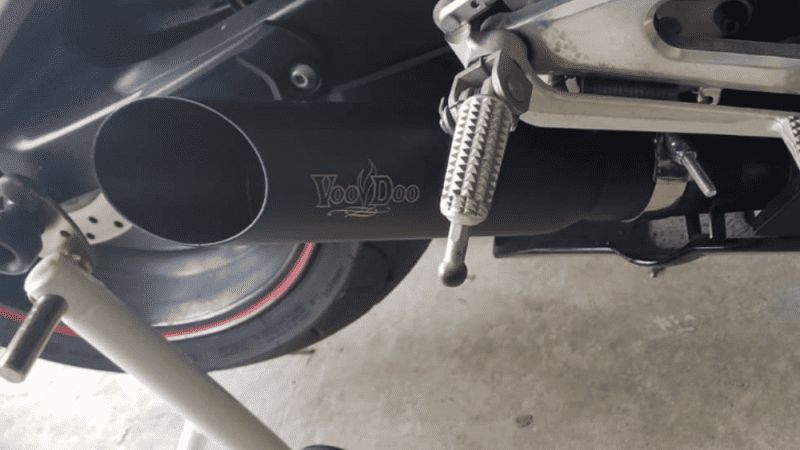
Shorty exhausts, also known as slip-on exhausts, are aftermarket mufflers that replace the stock exhaust on your motorcycle. They are significantly shorter and lighter than the factory exhaust, offering a more compact and aggressive appearance. However, it’s crucial to remember that they are often louder and may not comply with noise regulations in all areas.
Why Choose a Shorty Exhaust?
Riders choose shorty exhausts for several reasons:
- Enhanced aesthetics: Shorty exhausts can significantly improve the look of your motorcycle, giving it a more customized and aggressive appearance.
- Lighter weight: The reduced size and weight of a shorty exhaust can contribute to a slight improvement in handling and performance.
- Potentially louder sound: For some riders, the deeper and louder sound of a shorty exhaust adds to the riding experience.
No products found.
Things to Consider Before Installing a Shorty Exhaust:
While shorty exhausts offer potential benefits, there are also drawbacks to consider:
- Increased noise: As mentioned earlier, shorty exhausts are often significantly louder than stock exhausts and may not be legal in all areas. Always check local regulations before installing one.
- Potential performance changes: While some shorty exhausts can improve power delivery, others may negatively affect performance due to backpressure changes. Researching specific models and their impact on your motorcycle is crucial.
- Potential for increased heat: Due to their shorter design, shorty exhausts may direct more heat towards the rider’s legs. Consider this factor, especially for long rides or hot climates.
No products found.
Installation:
Installing a shorty exhaust can often be done at home with basic tools and mechanical knowledge. However, if you’re not comfortable doing it yourself, it’s recommended to seek professional help from a qualified mechanic. The provided reference (How To Install A Voodoo Slip-On Exhaust) offers a helpful guide on installing a specific shorty exhaust model.
The Final Verdict
Shorty exhausts offer a unique combination of style, sound, and potential performance gains for motorcycle enthusiasts. However, it’s essential to consider the potential drawbacks, such as increased noise and potential legal implications, before making a decision. Remember to prioritize safety and ensure your chosen exhaust complies with local regulations.
Additional Considerations:
- Legality: As the provided article mentions, exhaust modifications might not be legal in all areas. Always check local regulations to ensure compliance.
- Performance impact: While the article mentions potential performance changes, it’s important to note that these can vary depending on the specific motorcycle and exhaust model. Consulting a mechanic or researching specific exhausts for your motorcycle is recommended for a more accurate assessment.
- Alternatives: Shorty exhausts aren’t the only option for modifying your motorcycle’s exhaust. Consider researching other options like full exhaust systems or muffler baffles to find the best fit for your needs and preferences.
By carefully considering all the information presented here, you can make an informed decision about whether a shorty exhaust is the right choice for your motorcycle.
No products found.
6 FAQs About Shorty Exhausts
1. Will a shorty exhaust make my motorcycle faster?
Not necessarily. While some shorty exhausts can improve power delivery, others might negatively impact performance due to backpressure changes. Researching specific models and their impact on your motorcycle is crucial.
2. Are shorty exhausts street legal?
It depends on local regulations. Shorty exhausts are often louder than stock exhausts and might not comply with noise ordinances in some areas. Always check local regulations before installing one.
3. Can I install a shorty exhaust myself?
Installation can often be done at home with basic tools and mechanical knowledge. However, if you’re unsure, seek professional help from a qualified mechanic.
4. What are the alternatives to shorty exhausts?
Consider full exhaust systems for comprehensive performance upgrades or muffler baffles for a slightly modified sound without significant visual changes.
5. How much do shorty exhausts cost?
Prices vary depending on the brand, model, and material. Expect to pay more for well-known brands and high-quality materials.
6. Where can I find shorty exhausts for my motorcycle?
Many motorcycle parts retailers and online stores offer a wide variety of shorty exhausts. Ensure the chosen exhaust is compatible with your specific motorcycle model.
No products found.
-
11 Best Sportbike Salvage Projects for 2024: Breathe New Life into Your Ride
Sportbike enthusiasts know that a salvage project can be a thrilling way to get your hands on a powerful machine without breaking the bank. Whether you’re looking for a complete rebuild, a parts donor, or a custom bike project, the sportbike salvage yard offers a treasure trove of possibilities. Here, we delve into the 10 best sportbike salvage projects for 2024, highlighting the potential of each model for restoration, customization, and on-road performance. Plus, we’ll touch on the benefits of utilizing sportbike salvage parts for your project.
Key Takeaways
- Salvaging a sportbike offers a unique opportunity to own a powerful and exciting machine at a fraction of the cost of a new one.
- The variety of available models, from the iconic Yamaha YZF-R1 to the legendary Honda CBR1000RR, caters to different preferences and project goals.
- Depending on your skill level and budget, you can restore, customize, or even build a track-focused machine using readily available parts from salvage yards.
- Always prioritize safety when working on a motorcycle, and seek professional guidance when necessary.
Comparison Table: Best Salvage Sportbike Projects
Feature Aprilia RSV4 Triumph Daytona 675 BMW S1000RR Ducati Panigale Kawasaki ZX-10R Suzuki GSX-R750 Honda CBR1000RR Yamaha YZF-R1 Engine Type V4 I3 I4 V4 I4 I4 I4 I4 Skill Level Advanced Intermediate Advanced Advanced Advanced Intermediate Intermediate Experienced Project Ideas Track, Cafe Racer, Streetfighter Track, Cafe Racer, Streetfighter Track, Streetfighter Track, Cafe Racer, Restoration Track, Performance Track, Cafe Racer, Restoration Track, Cafe Racer, Restoration Track, Streetfighter, Cafe Racer Note: This table is a simplified comparison and specific models within each category might have varying difficulty levels and project suitability.
1. Yamaha YZF-R1
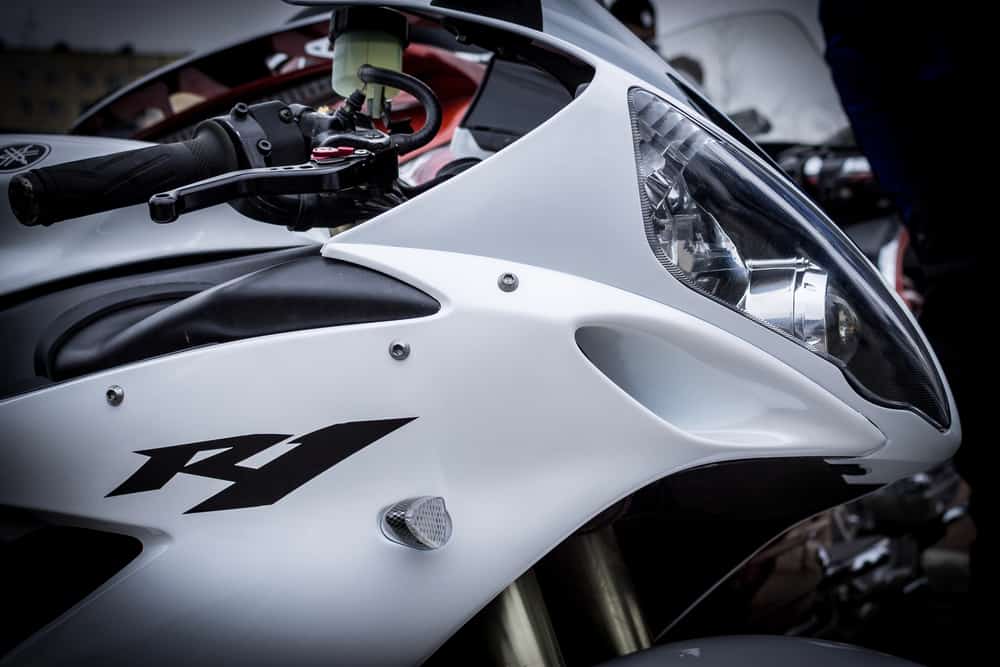
The Yamaha YZF-R1 is a top choice for salvage projects due to its high-performance capabilities and availability of parts. With its crossplane crankshaft and aggressive styling, it’s a favorite among riders looking for speed and aesthetics.
The Yamaha YZF-R1 is a legendary liter-class sportbike known for its exhilarating performance, sharp handling, and aggressive design. It’s a popular choice for experienced riders and project enthusiasts, offering a versatile platform for customization, restoration, or even track-focused builds.
Year Models to Consider:
While all YZF-R1 models hold potential, some generations stand out for project suitability based on performance and salvage availability:
- 2009-2014: This generation introduced significant advancements like crossplane crankshaft technology and improved ergonomics, making it a desirable option for performance-oriented projects.
- 2007-2008: These models offer a good balance of affordability and power, making them suitable for various project builds.

1. Yamaha YZF-R1
Project Ideas:
The YZF-R1’s robust platform and readily available parts open doors to diverse project directions. Here are some popular options to consider:
-
Track-Focused Build:
- Upgrade suspension components like forks and shocks for enhanced control on the racetrack.
- Replace the stock exhaust system with a performance-oriented option for increased power and weight reduction.
- Install aftermarket fairings specifically designed for track use, offering better aerodynamics and durability.
-
Streetfighter Transformation:
- Remove the fairings for a more aggressive and streetfighter-inspired look.
- Source a headlight conversion kit and aftermarket handlebars to personalize the aesthetics and riding position.
- Consider aftermarket exhaust systems and performance upgrades to enhance the bike’s character.
-
Cafe Racer Build:
- Embrace a vintage aesthetic by installing clip-on handlebars and a single seat.
- Replace the headlight with a vintage-inspired unit to complete the cafe racer look.
- You can further customize the bike with a custom paint job and unique tail section.
-
Restoration Project:
- Breathe new life into a cosmetically damaged YZF-R1 by restoring the bodywork and other visual elements.
- Utilize readily available parts from salvage yards or specialized Yamaha parts suppliers.
- This project allows you to bring back a piece of motorcycling history while acquiring valuable restoration skills.
Important Considerations:
- Skill Level: The complexity of your chosen project will determine the necessary skill level. While some modifications, like cosmetic restorations, might be manageable for beginners, complex tasks like engine work or suspension upgrades are best left to experienced mechanics.
- Budget: Salvage projects offer cost-saving opportunities compared to buying a new bike. However, factor in the cost of parts, tools, potential repairs, and any professional guidance you might seek.
- Safety: Always prioritize safety when working on your motorcycle. Ensure you have the proper tools, knowledge, and workspace to handle the project safely. Don’t hesitate to seek professional help for tasks beyond your skillset.
By carefully considering your skill level, budget, and project goals, the Yamaha YZF-R1 can be a fantastic platform to embark on a rewarding and personalized motorcycle journey.
Yamaha YZF-R1
- Year to Look For: 2007-2008
- Why: These models introduced a new inline-four engine and significant updates like the Yamaha Chip Control Intake (YCC-I) and Chip Control Throttle (YCC-T), enhancing performance and handling.
- Specs Highlights: A 0 to 60 mph time of 2.9 seconds, a quarter-mile time of 10.32 seconds at 137.60 mph, and a top speed of 167 mph
Specs
Engine size 998cc Engine type 16v in-line four, 6 gears Frame type Twin-spar aluminium Fuel capacity 18 litres Seat height 835mm Bike weight 177kg Front Suspension Preload, compression, rebound Rear Suspension Preload, high/low compression, rebound Front brake 2 x 310mm discs Rear brake 220mm disc Front tire size 120/70 x 17 Rear tire size 190/50 x 17 Top speed & performance
Max power 170 bhp Max torque 87.3 ft-lb Top speed 182 mph Tank range 146 miles 
2. Honda CBR1000RR
2. Honda CBR1000RR
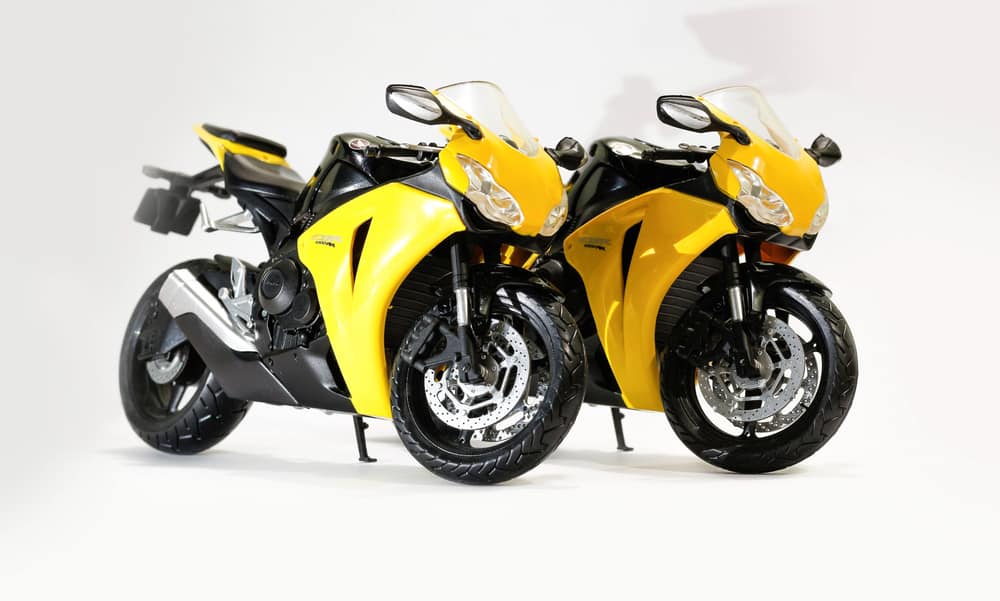
Known for its balance of power and handling, the Honda CBR1000RR makes an excellent project bike. Salvaging this model allows for customization or restoration, making it a superb ride for both the track and the street.
The Honda CBR1000RR, also known as the CBR10RR, is a legendary sportbike renowned for its exceptional balance of power, handling, and reliability. This has made it a popular choice for both seasoned riders and those seeking a thrilling project motorcycle. Salvaging a CBR1000RR opens doors for customization, restoration, or even creating a track-focused machine, ultimately resulting in a unique and exhilarating riding experience.
Specific Year Models:
While all CBR1000RR models hold potential for exciting projects, some are particularly sought after for their performance capabilities and salvage availability:
- 2007-2008: This generation introduced significant upgrades like a revised engine, improved suspension, and a lighter chassis, making it a desirable platform for performance-oriented projects.
- 2004-2007: These models offer a good balance of affordability and performance, making them suitable for various project builds.
Project Ideas:
The versatility of the CBR1000RR as a project bike stems from its robust platform and readily available parts. Here are some popular project directions to consider:
-
-
Track-Focused Build:
- Upgrade suspension components like forks and shocks for enhanced handling on the racetrack.
- Replace the stock exhaust system with a performance-oriented option for increased power and weight reduction.
- Install aftermarket fairings specifically designed for track use, offering better aerodynamics and durability.
-
Streetfighter Transformation:
- Remove the fairings for a more aggressive and streetfighter-inspired look.
- Source a headlight conversion kit and aftermarket handlebars to personalize the aesthetics and riding position.
- Consider aftermarket exhaust systems and performance upgrades to enhance the bike’s character.
-
Cafe Racer Build:
- Embrace a vintage aesthetic by installing clip-on handlebars and a single seat.
- Replace the headlight with a vintage-inspired unit to complete the cafe racer look.
- You can further customize the bike with a custom paint job and unique tail section.
-
Restoration Project:
- Breathe new life into a cosmetically damaged CBR1000RR by restoring the bodywork and other visual elements.
- Utilize readily available parts from salvage yards or specialized Honda parts suppliers.
- This project allows you to bring back a piece of motorcycling history while acquiring valuable restoration skills.
-
Important Considerations:
- Skill Level: The complexity of your chosen project will determine the necessary skill level. While some modifications, like cosmetic restorations, might be manageable for beginners, complex tasks like engine work or suspension upgrades are best left to experienced mechanics.
- Budget: Salvage projects offer cost-saving opportunities compared to buying a new bike. However, factor in the cost of parts, tools, potential repairs, and any professional guidance you might seek.
- Safety: Always prioritize safety when working on your motorcycle. Ensure you have the proper tools, knowledge, and workspace to handle the project safely. Don’t hesitate to seek professional help for tasks beyond your skillset.
By carefully considering your skill level, budget, and project goals, the Honda CBR1000RR can be a fantastic platform to embark on a rewarding and personalized motorcycle journey.
Honda CBR1000RR
- Year to Look For: 2008-2011
- Why: The 2008 redesign introduced an all-new 999 cc inline-four engine with a redline of 13,000 rpm, significant weight reduction efforts, and enhancements like a slipper clutch for improved stability under deceleration.
- Spec Highlights: This model boasts a more compact engine design, improved chassis geometry, and advanced electronics for the era
Specs
Engine size 999cc Engine type Liquid-cooled,16v DOHC, in-line four-cylinder four-stroke, 6 gears, fuel injection, chain final drive Frame type Aluminum dual beam Fuel capacity 17.7 litres Seat height 820mm Bike weight 199kg Front Suspension Rebound and compression damping with pre-load adjustment Rear Suspension Rebound and compression damping with pre-load adjustment Front brake 2 x 320mm front discs with 4-piston calipers Rear brake 220mm rear disc with 1-piston caliper Front tire size 120/70 x 17 Rear tire size 190/50 x 17 Top speed & performance
Max power 175 bhp Max torque 84 ft-lb Top speed 179 mph Tank range 169 miles 3. Suzuki GSX-R750
3. Suzuki GSX-R750
A perfect blend of power and agility, the Suzuki GSX-R750 offers a unique salvage opportunity. Its rich racing heritage and widespread availability of parts make it a great candidate for rebuilding.
The Suzuki GSX-R750 is a legendary sportbike known for its balanced performance, agile handling, and iconic four-cylinder engine. Its widespread popularity translates to readily available parts at sportbike salvage yards, making it a fantastic choice for various project ideas, catering to both experienced and beginner mechanics.
Here are some potential project options to breathe new life into your Suzuki GSX-R750:
1. Track-Focused GSX-R:
- Source: Upgrade high-performance parts like suspension components, exhaust system, and fairings from a salvage yard.
- Benefits: Enhance handling and power for a thrilling track experience at a fraction of the cost.
- Considerations: Ensure the used parts are compatible with your specific year and model of GSX-R.
2. Streetfighter Transformation:
- Source: Ditch the fairings for a more aggressive look, source a headlight conversion kit and aftermarket handlebars from a salvage yard.
- Benefits: Create a unique streetfighter aesthetic while potentially reducing weight for a more nimble riding experience.
- Considerations: Research modifications to ensure they comply with local regulations.
3. Cafe Racer Inspiration:
- Source: Transform your GSX-R into a stylish cafe racer with clip-on handlebars, a single seat, and a vintage-inspired headlight, all found at affordable prices at a salvage yard.
- Benefits: Achieve a classic look while maintaining the GSX-R’s sporty performance.
- Considerations: Modifications might affect ergonomics and comfort for longer rides.
4. Budget-Friendly Restoration:
- Source: Find a complete, but cosmetically damaged GSX-R750 from a salvage yard.
- Challenge: Restore the bodywork and other cosmetic elements using readily available used parts, potentially sourced online or from specialized Suzuki salvage yards.
- Benefits: Breathe new life into a GSX-R at a lower cost while gaining valuable restoration skills.
- Considerations: Carefully assess the extent of damage and factor in the cost of repairs before purchasing.
5. Performance Optimization:
- Source: Experiment with different performance parts like air filters, sprockets, and exhaust systems, all sourced from a salvage yard.
- Benefits: Fine-tune your bike’s power and handling characteristics based on your preferences and riding style.
- Considerations: Research compatibility and ensure modifications don’t compromise safety or reliability.
Important Considerations:
- Prioritize safety: Always ensure you have the necessary skills, tools, and workspace to handle your project safely. Don’t hesitate to seek professional guidance from a qualified mechanic when needed.
- Research compatibility: Before purchasing parts from a salvage yard, meticulously check their compatibility with your specific year and model of the Suzuki GSX-R750.
- Budget realistically: Factor in the cost of used parts, potential repairs, and any additional tools or equipment you might need.
By choosing the right project and approaching it with careful planning and a commitment to safety, the Suzuki GSX-R750 offers an exciting platform to unleash your creativity and bring your vision to life. With its readily available parts and diverse project possibilities, the GSX-R750 can be a rewarding project for both seasoned and enthusiastic riders.
Suzuki GSX-R750
- Year to Look For: Mid-2000s to Early 2010s
- Why: This period maintains the GSX-R750’s reputation for blending power with agility, supported by technological advancements and a strong aftermarket parts availability.
- Spec Highlights: Look for models featuring Suzuki’s advanced fuel injection, Showa suspension components, and Brembo braking systems, making them ideal for both performance and restoration projects.
Specs
Engine size 750cc Engine type 16-valve, 750cc in-line-four Frame type Aluminium twin spar Fuel capacity 17 litres Seat height 810mm Bike weight 167kg Front Suspension Fully-adjustable Rear Suspension Fully-adjustable Front brake 2 x 310mm discs Rear brake 220mm disc Front tire size 120/70 17 in Rear tire size 180/55 17 in Top speed & performance
Max power 133 bhp Max torque 57 ft-lb Top speed 175 mph Tank range 120 miles 
4. Kawasaki ZX-10R
4. Kawasaki ZX-10R
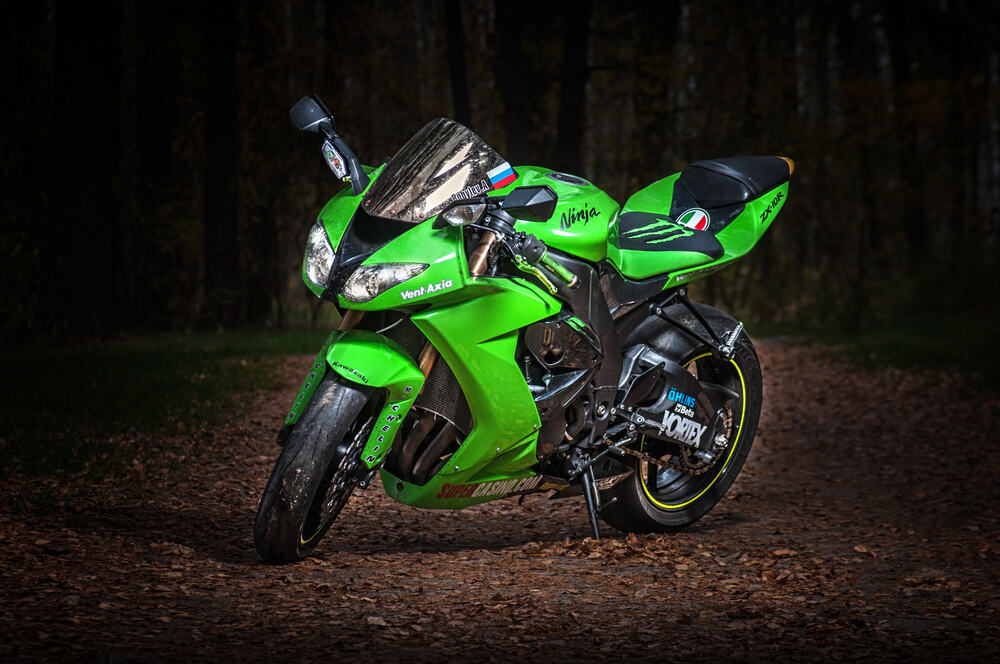
The Kawasaki ZX-10R is renowned for its powerful engine and advanced electronics. Salvaging a ZX-10R is a project that can yield a high-performance machine capable of competing with the latest models.
The Kawasaki ZX-10R is a legendary machine in the sportbike world, known for its stunning design, exceptional performance, and high-quality materials. While its initial cost and maintenance can be substantial, the availability of parts at sportbike salvage yards makes the ZX-10R a tempting option for a unique and rewarding project. However, tackling a ZX-10R project requires a higher level of expertise compared to other sportbikes due to its complexity and potentially higher-priced parts.
Here are some potential project ideas for the Kawasaki ZX-10R, keeping in mind the advanced nature of this machine:
1. ZX-10R Restoration Project:
- Source: Acquire a complete, but non-running ZX-10R from a salvage yard, focusing on models with minimal frame damage.
- Challenge: Diagnose and meticulously restore the engine, electrical system, suspension, and bodywork using a combination of new and used parts.
- Benefits: Bring a piece of Kawasaki sportbike history back to life and experience the thrill of owning a restored ZX-10R.
- Considerations: Requires significant mechanical knowledge, specialized tools, and potentially a high budget for parts and restoration services.
2. Performance Enhancement (Experienced Mechanics Only):
-
- Source: Track down high-performance parts like upgraded suspension components, lightweight wheels, and an aftermarket exhaust system from a specialized salvage yard.
- Challenge: Carefully install and tune the new parts to ensure optimal performance and safety while maintaining the ZX-10R’s delicate balance.
- Benefits: Unlock the ZX-10R’s full potential on the track or enjoy a more exhilarating riding experience on the street.
- Considerations: Demands extensive knowledge of motorcycle mechanics, performance tuning expertise, and a significant budget for potentially rare and expensive parts.
- Source: Track down high-performance parts like upgraded suspension components, lightweight wheels, and an aftermarket exhaust system from a specialized salvage yard.
3. ZX-10R Customization (Intermediate Mechanics):
-
-
- Source: Find a salvage yard offering ZX-10R fairings, handlebars, or other aesthetic components in different colors or styles.
- Challenge: Modify or replace existing parts to personalize the ZX-10R’s appearance without compromising its functionality.
- Benefits: Create a one-of-a-kind ZX-10R that reflects your individual style.
- Considerations: Requires good mechanical skills, knowledge of ZX-10R specifics, and potential fabrication or modification work.
-
Kawasaki ZX-10R
- Year to Look For: 2011-2015
- Why: These years saw the ZX-10R receiving major updates, including a new engine, chassis, and significant advancements in rider aids like traction control.
- Spec Highlights: Key features include a powerful engine, advanced electronics for improved rider control, and a chassis designed for sharp handling. The 2011 model year onwards brought in a new level of performance with changes aimed at dominating both on the track and on the street.
Specs
Engine size 998cc Engine type Liquid-cooled, DOHC, 16v four-stroke in-line four. Six gears Frame type Cast ally beam frame and swingarm Fuel capacity 17 litres Seat height 813mm Bike weight 198kg Front Suspension Fully adjustable Rear Suspension Fully adjustable Front brake 310mm petal discs with 4-piston calipers Rear brake 240mm disc with single-piston caliper Front tire size 120/70 x 17 Rear tire size 190/55 x 17 Top speed & performance
Max power 197 bhp Max torque 82.7 ft-lb Top speed 184 mph Tank range 128 miles Ducati Panigale
5. Ducati Panigale V4
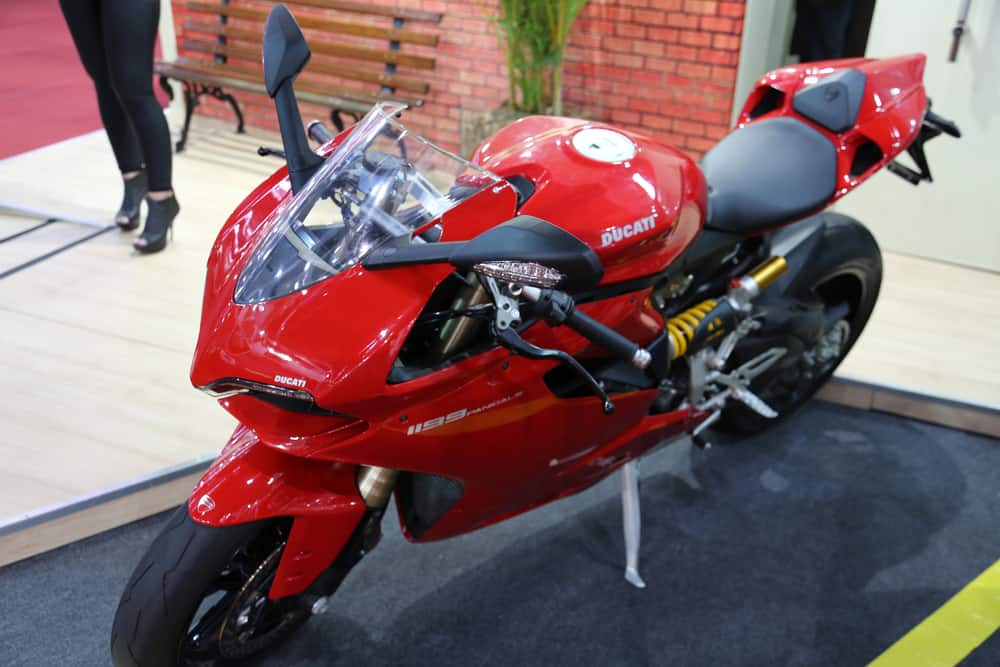
The Ducati Panigale V4, with its V4 engine and stunning design, is a dream project for many. While parts may be pricier, the result is a high-value, exotic sportbike that stands out.
The Ducati Panigale is a high-performance Italian motorcycle known for its stunning design, powerful engine, and advanced technology. It is a popular choice for both track riders and street riders alike, offering an exhilarating riding experience.
If you’re looking for a challenging and rewarding project, a Ducati Panigale salvage project can be a great option. Here are some potential project ideas to consider:
- Track-focused build: Upgrade the suspension, brakes, and exhaust system to create a machine optimized for conquering the racetrack.
- Streetfighter conversion: Remove the fairings and install a headlight conversion kit for a more aggressive look, perfect for turning heads on the street.
- Cafe racer build: Embrace a vintage aesthetic by installing clip-on handlebars, a single seat, and a vintage-inspired headlight.
- Restoration project: Breathe new life into a damaged Panigale by restoring it to its former glory. This is a project that requires a high level of expertise and patience, but the end result can be truly stunning.
It’s important to remember that working on a Ducati Panigale, even a salvage project, requires a significant level of mechanical knowledge and skill. Additionally, due to the high performance nature of the bike, parts can be expensive.
Here are some additional tips to keep in mind before embarking on your Ducati Panigale salvage project:
- Safety first: Always prioritize safety when working on any motorcycle. Ensure you have the proper tools, knowledge, and workspace to complete the project safely.
- Set a budget: Determine a realistic budget for your project and stick to it. It’s easy to get carried away with upgrades and modifications, so plan accordingly.
- Be patient: Restoring or modifying a motorcycle takes time and effort. Be patient and enjoy the process of bringing your vision to life.
If you’re up for the challenge, a Ducati Panigale salvage project can be an incredibly rewarding experience. It allows you to learn new skills, express your creativity, and ultimately, own a unique and powerful motorcycle.
Ducati Panigale
- Year to Look For: 2012-2013
- Why: Early Panigale models offer the groundbreaking design and performance of Ducati’s flagship series at potentially lower salvage costs. They are known for their exquisite design and thrilling performance.
- Specs Highlights: Featuring Ducati’s innovative Superquadro engine, these models stand out for their high power output and sophisticated electronics package.
Specs
Engine size 1198cc Engine type 8v, ‘Superquadro’ L-twin Frame type Cast Aluminum airbox frame – engine stressed member. Single-sided aluminum swingarm Fuel capacity 17 litres Seat height 825mm Bike weight 188kg Front Suspension Electronically-adjustable Ohlins 43mm upside-down forks Rear Suspension Electronically-adjustable Ohlins TTX shock Front brake 2 x 330mm discs with four-piston Brembo monobloc radial calipers Rear brake 245mm single disc with twin-piston Brembo caliper Front tire size 120/70 x 17 Rear tire size 200/55 x 17 Top speed & performance
Max power 195 bhp Max torque 98.1 ft-lb Top speed 186 mph Tank range 121 miles 6. BMW S1000RR
6. BMW S1000RR
The BMW S1000RR is another high-tech, high-performance option for salvage enthusiasts. Its innovative features and strong aftermarket support make it a rewarding project for those willing to invest.
The BMW S1000RR is a high-performance sports bike that is known for its powerful engine, agile handling, and advanced electronics. It is a popular choice for both track riders and street riders alike.
If you are looking for a challenging and rewarding project, the BMW S1000RR is a great option. There are many different project ideas that you can explore, such as:
- Track-focused build: This would involve upgrading the suspension, brakes, and exhaust system to create a bike that is optimized for track riding.
- Streetfighter conversion: This would involve removing the fairings and installing a headlight conversion kit to create a more aggressive-looking bike.
- Cafe racer build: This would involve installing clip-on handlebars, a single seat, and a vintage-inspired headlight to create a classic-looking bike.
- Restoration project: This would involve finding a damaged S1000RR and restoring it to its former glory.
No matter what project you choose, there are a few things that you will need to keep in mind:
- Safety: Always prioritize safety when working on a motorcycle. Make sure that you have the proper tools and knowledge to do the job safely.
- Budget: Set a budget for your project and stick to it. It is easy to get carried away when working on a project, but it is important to stay on track financially.
- Time: Be patient and take your time. A project like this can take months or even years to complete, so don’t expect to finish it overnight.
If you are up for the challenge, a BMW S1000RR project can be a very rewarding experience. It is a great way to learn about motorcycles, improve your skills, and create a unique bike that you can be proud of.
Here are some additional tips for finding the best BMW S1000RR salvage project:
- Do your research: Before you start looking at salvage yards, it’s important to do your research and figure out what kind of project you want to do. This will help you narrow down your search and find the right bike for your needs.
- Be patient: It can take some time to find the perfect salvage project. Be patient and don’t be afraid to walk away from a deal if it’s not right for you.
- Inspect the bike carefully: Once you’ve found a bike that you’re interested in, it’s important to inspect it carefully. Make sure that the bike is in good condition and that all of the parts are there.
- Get a quote from a mechanic: Before you buy a salvage bike, it’s a good idea to get a quote from a mechanic to see how much it will cost to repair it. This will help you avoid overpaying for a project that you can’t afford to fix.
With a little planning and effort, you can find a great BMW S1000RR salvage project and turn it into the bike of your dreams.
BMW S1000RR
- Year to Look For: 2010-2014
- Why: The S1000RR set benchmarks for superbike performance with its powerful engine, electronic rider aids, and exceptional handling. These years offer great potential for both restoration and customization.
- Specs Highlights: It’s known for its potent engine, delivering over 190 hp, and introducing dynamic traction control and ABS in the superbike segment.
Specs
Engine size 999cc Engine type Liquid-cooled, 16v DOHC in-line four-cylinder four-stroke. Six gears. Fuel injection. Frame type Dual-beam aluminium Fuel capacity 17.5 litres Seat height 820mm Bike weight 204kg Front Suspension Fully adjustable Rear Suspension Fully adjustable inc’ high and low-speed compression damping Front brake 2 x 320mm disc with Brembo 4-piston calipers Rear brake 220mm disc, 2-piston caliper Front tire size 120/70 x 17 Rear tire size 190/55 x 17 Top speed & performance
Max power 190 bhp Max torque 83 ft-lb Top speed 184 mph Tank range 147 miles 
7. Triumph Daytona 675
The Triumph Daytona 675 offers a three-cylinder alternative with a distinctive sound and excellent handling. It’s an ideal candidate for riders looking for something a bit different in the sportbike segment.
The Triumph Daytona 675 is a popular middleweight sportbike known for its agile handling, thrilling performance, and iconic triple-cylinder engine. Its widespread popularity translates to readily available parts at sportbike salvage yards, making it a fantastic choice for various project ideas. Whether you’re a seasoned mechanic or a passionate beginner, the Daytona 675 offers a range of exciting possibilities:
1. Track-Focused Triumph:
- Source: Upgrade high-performance parts like suspension components, exhaust system, and fairings from a salvage yard.
- Benefits: Enhance handling and power for a thrilling track experience at a fraction of the cost of new parts.
2. Streetfighter Transformation:
- Source: Ditch the fairings for a more aggressive look, source a headlight conversion kit and aftermarket handlebars from a salvage yard.
- Benefits: Create a unique streetfighter aesthetic while potentially reducing weight for a more nimble riding experience.
3. Cafe Racer Inspiration:
- Source: Transform your Daytona 675 into a stylish cafe racer with clip-on handlebars, a single seat, and a vintage-inspired headlight, all found at affordable prices at a salvage yard.
- Benefits: Achieve a classic look while maintaining the Daytona’s sporty performance and nimble handling.
4. Performance Optimization:
- Source: Experiment with different performance parts like air filters, sprockets, and exhaust systems, all sourced from a salvage yard.
- Benefits: Fine-tune your bike’s power and handling characteristics based on your preferences and riding style.
5. Budget-Friendly Restoration:
- Source: Find a complete, but cosmetically damaged Daytona 675 from a salvage yard.
- Challenge: Restore the bodywork and other cosmetic elements using readily available used parts, potentially sourced online or from specialized Triumph salvage yards.
- Benefits: Breathe new life into a Daytona 675 at a lower cost while gaining valuable restoration skills.
Triumph Daytona 675
- Year to Look For: 2013-2016
- Why: This period features the refined third-generation Daytona 675, with updates to the engine and chassis that sharpened its competitive edge in the middleweight class.
- Specs Highlights: The Daytona 675 is celebrated for its unique three-cylinder engine, providing a distinctive sound and a strong mid-range torque.
Specs
Engine size 675cc Engine type 12v, inline three-cylinder Frame type Cast aluminium twin-spar frame and double-sided swingarm Fuel capacity 17.4 litres Seat height 820mm Bike weight 184kg Front Suspension Fully adjustable 43mm Ohlins forks Rear Suspension Fully adjustable single rear Ohlins shock Front brake 2 x 310mm discs with four-piston Brembo monobloc calipers and racing ABS. Rear brake 220mm single disc with single-piston Brembo caliper and racing ABS. Front tire size 120/70 x 17 Rear tire size 180/55 x 17 Top speed & performance
Max power 126 bhp Max torque 55 ft-lb Top speed 165 mph Tank range 145 miles 8. Aprilia RSV4
8. Aprilia RSV4
With its V4 engine and race-derived chassis, the Aprilia RSV4 is a powerhouse. Salvaging an RSV4 is a chance to own a piece of MotoGP heritage and enjoy its thrilling performance.
The Aprilia RSV4 is a masterpiece of Italian engineering, boasting exceptional power, handling, and a truly unique character. While not for the faint of heart, the availability of parts at sportbike salvage yards makes the RSV4 a tempting option for a project, offering the potential for significant savings and a truly customized machine. However, similar to the MV Agusta F4, the RSV4 requires advanced mechanical knowledge and a higher budget due to its complexity and potentially expensive parts.
Here are some potential project ideas for the Aprilia RSV4, keeping the challenging nature of this machine in mind:
1. RSV4 Restoration Project:
- Source: Acquire a complete, but non-running RSV4 from a salvage yard, prioritizing models with minimal frame damage.
- Challenge: Diagnose and meticulously restore the engine, electronics, suspension, and bodywork using a combination of new and used parts.
- Benefits: Experience the thrill of bringing a high-performance Italian machine back to life and owning a unique RSV4.
- Considerations: Requires significant mechanical expertise, specialized tools, a high budget for parts and restoration services, and potentially consulting with an Aprilia specialist.
2. Track-Focused RSV4 (Experienced Mechanics Only):
- Source: Track down high-performance parts like upgraded suspension components, lightweight wheels, and an aftermarket exhaust system from specialized salvage yards or Aprilia parts suppliers.
- Challenge: Carefully install and tune the new parts to ensure optimal performance and safety while maintaining the RSV4’s delicate balance.
- Benefits: Unleash the RSV4’s full potential on the track and experience a truly exhilarating riding experience.
- Considerations: Demands extensive knowledge of motorcycle mechanics, performance tuning expertise, a significant budget for potentially rare and expensive parts, and potentially consulting with an Aprilia specialist for guidance.
3. RSV4 Customization (Intermediate Mechanics):
- Source: Find a salvage yard offering RSV4 fairings, handlebars, or other aesthetic components in different colors or styles.
- Challenge: Modify or replace existing parts to personalize the RSV4’s appearance without compromising its functionality.
- Benefits: Create a one-of-a-kind RSV4 that reflects your individual style.
- Considerations: Requires good mechanical skills, knowledge of RSV4 specifics, and potential fabrication or modification work.
Important Reminders:
- Safety First: The Aprilia RSV4’s complexity demands prioritizing safety. Ensure you have the necessary skills, tools, and workspace to handle the project safely. Consult a qualified mechanic when unsure about any aspect of the project.
- Seek Professional Guidance: Don’t hesitate to seek guidance from an Aprilia specialist, especially for tasks like engine rebuilds, complex electrical work, or modifications that could impact the bike’s performance or safety.
- Budget Cautiously: Be prepared for potentially higher costs compared to other sportbike salvage projects due to the RSV4’s premium nature and potentially limited availability of used parts.
Remember, an Aprilia RSV4 salvage project requires careful consideration and planning. If you possess the necessary skills, budget, and access to expert guidance, it can be a truly rewarding endeavor, allowing you to restore, enhance, or customize a legendary Italian motorcycle.
Aprilia RSV4
- Year to Look For: 2013-2014
- Why: The RSV4 from these years benefits from Aprilia’s racing experience, offering advanced electronics, a powerful V4 engine, and superb handling characteristics.
- Specs Highlights: The RSV4 is renowned for its performance on the track, featuring a compact V4 engine that delivers a broad powerband and exceptional handling.
Specs
Engine size 998cc Engine type 16-valve, V4 Frame type Aluminium beam Fuel capacity 17 litres Seat height 810mm Bike weight 203kg Front Suspension Fully-adjustable Rear Suspension Fully-adjustable Front brake 2 x 320mm discs Rear brake 220mm disc Front tire size 120/70 17 in Rear tire size 190/55 17 in Top speed & performance
Max power 180 bhp Max torque 85 ft-lb Top speed 180 mph Tank range 144 miles MV Agusta F4
9. MV Agusta F4
The MV Agusta F4 is not just a motorcycle; it’s a work of art. Salvage projects involving the F4 are for those who appreciate the blend of stunning aesthetics and raw power.
The MV Agusta F4 is a legendary machine in the sportbike world, known for its stunning Italian design, exceptional performance, and premium materials. While its initial cost and maintenance can be substantial, the availability of parts at sportbike salvage yards makes the F4 a tempting option for a unique and rewarding project. However, tackling an F4 project requires a higher level of expertise compared to other sportbikes due to its complexity and potentially higher-priced parts.
Here are some potential project ideas for the MV Agusta F4, keeping in mind the advanced nature of this machine:
1. F4 Restoration Project:
- Source: Acquire a complete, but non-running F4 from a salvage yard, focusing on models with minimal frame damage.
- Challenge: Diagnose and meticulously restore the engine, electrical system, suspension, and bodywork using a combination of new and used parts.
- Benefits: Bring a piece of Italian motorcycle history back to life and experience the thrill of owning a restored F4.
- Considerations: Requires significant mechanical knowledge, specialized tools, and potentially a high budget for parts and restoration services.
2. Performance Enhancement (Experienced Mechanics Only):
- Source: Track down high-performance parts like upgraded suspension components, lightweight wheels, and an aftermarket exhaust system from a specialized salvage yard.
- Challenge: Carefully install and tune the new parts to ensure optimal performance and safety while maintaining the F4’s delicate balance.
- Benefits: Unlock the F4’s full potential on the track or enjoy a more exhilarating riding experience on the street.
- Considerations: Demands extensive knowledge of motorcycle mechanics, performance tuning expertise, and a significant budget for potentially rare and expensive parts.
3. F4 Customization (Intermediate Mechanics):
- Source: Find a salvage yard offering F4 fairings, handlebars, or other aesthetic components in different colors or styles.
- Challenge: Modify or replace existing parts to personalize the F4’s appearance without compromising its functionality.
- Benefits: Create a one-of-a-kind F4 that reflects your individual style.
- Considerations: Requires good mechanical skills, knowledge of F4 specifics, and potential fabrication or modification work.
Important Reminders:
- Safety First: Always prioritize safety when working on a complex machine like the MV Agusta F4. Ensure you have the necessary skills, tools, and workspace to handle the project safely.
- Seek Professional Guidance: When in doubt, don’t hesitate to seek guidance from a qualified MV Agusta mechanic, especially for tasks like engine rebuilds or complex electrical work.
- Budget Cautiously: Be prepared for potentially higher costs compared to other sportbike salvage projects due to the F4’s premium nature and potentially limited availability of used parts.
By carefully considering your skill level, budget, and risk tolerance, you can determine if an MV Agusta F4 salvage project is the right fit for you. If you’re up for the challenge and possess the necessary expertise, the F4 can be a truly rewarding project, offering the satisfaction of restoring, enhancing, or customizing a legendary Italian motorcycle.
MV Agusta F4
- Year to Look For: 2010-2012
- Why: The F4 models from these years combine classic MV Agusta styling with modern performance upgrades, making them exciting projects for both restoration and performance tuning.
- Specs Highlights: Known for its beautiful design and high-revving engine, the F4 continues to be a symbol of Italian motorcycle art and engineering.
Specs
Engine size 998cc Engine type Inline-four cylinder four-stroke Frame type Tubular steel cradle/cast aluminum mix Fuel capacity 17 litres Seat height 860mm Bike weight 192kg Front Suspension Fully-adjustable Rear Suspension Fully-adjustable Front brake 320mm disc Rear brake 210mm disc Front tire size 120/70 17in Rear tire size 190/55 17in Top speed & performance
Max power 186 bhp Max torque 84 ft-lb Top speed 186 mph Tank range 106 miles 
Honda CBR600RR
10. Honda CBR600RR
For those seeking a middleweight option, the Honda CBR600RR is a fantastic choice. It’s known for its reliability, making it a less risky salvage project with plentiful parts availability.
1. Track-Focused CBR600RR:
- Source: Upgrade high-performance parts like suspension components, exhaust system, and fairings from a salvage yard.
- Benefits: Enhance handling and power for a thrilling track experience.
2. Streetfighter Transformation:
- Source: Ditch the fairings for a more aggressive look, source a headlight conversion kit and aftermarket handlebars from a salvage yard.
- Benefits: Create a unique streetfighter aesthetic while potentially reducing weight.
3. Performance Optimization:
- Source: Experiment with different performance parts like air filters, sprockets, and exhaust systems, all sourced from a salvage yard.
- Benefits: Fine-tune your bike’s power and handling characteristics based on your preferences.
4. Budget-Friendly Cafe Racer:
- Source: Transform your CBR600RR into a stylish cafe racer with clip-on handlebars, a single seat, and a vintage-inspired headlight – all found at a salvage yard.
- Benefits: Achieve a classic look while maintaining the CBR600RR’s sporty performance.
5. Project Bike Challenge:
- Source: Find a salvage yard selling a complete (but non-running) CBR600RR at a discount.
- Challenge: Diagnose and fix the issue, using readily available used parts to get it back on the road.
- Benefits: Gain valuable troubleshooting and repair skills while reviving a fantastic motorcycle.
These are just a few project ideas to spark your creativity. Remember to prioritize safety and consult professionals when needed. With its exciting potential and readily available parts, the Honda CBR600RR can be a rewarding platform for your next sportbike salvage project.
Here are some additional tips for finding the best Honda CBR600RR salvage project:
- Do your research: Before you start looking at salvage yards, it’s important to do your research and figure out what kind of project you want to do. This will help you narrow down your search and find the right bike for your needs.
- Be patient: It can take some time to find the perfect salvage project. Be patient and don’t be afraid to walk away from a deal if it’s not right for you.
- Inspect the bike carefully: Once you’ve found a bike that you’re interested in, it’s important to inspect it carefully. Make sure that the bike is in good condition and that all of the parts are there.
- Get a quote from a mechanic: Before you buy a salvage bike, it’s a good idea to get a quote from a mechanic to see how much it will cost to repair it. This will help you avoid overpaying for a project that you can’t afford to fix.
With a little planning and effort, you can find a great Honda CBR600RR salvage project and turn it into the bike of your dreams.
Honda CBR600RR
- Year to Look For: 2013-2014
- Why: These models benefit from refined aerodynamics, improved electronic controls, and a strong balance between power and handling, making them excellent candidates for restoration.
- Specs Highlights: Known for its middleweight power, these years fine-tuned the CBR600RR’s balance and agility, making it a favorite on and off the track.
Specs
Engine size 599cc Engine type 16-valve, in-line-four Frame type Aluminum twin-spar Fuel capacity 18 litres Seat height 820mm Bike weight 194kg Front Suspension Fully-adjustable Rear Suspension Fully-adjustable Front brake 2 x 310mm discs Rear brake 220mm disc Front tire size 120/70 17 in Rear tire size 180/55 17 in Top speed & performance
Max power 107 bhp Max torque 44.6 ft-lb Top speed 165 mph 1/4 mile acceleration 10.92 secs Tank range 127 miles 
11. Yamaha YZF-R6
The Yamaha YZF-R6 is a renowned middleweight sportbike known for its agile handling, sharp performance, and aggressive styling. Its popularity among riders also translates to a readily available selection of parts at sportbike salvage yards, making it an excellent choice for a variety of project ideas. Look for the 2020 model, the final year before its discontinuation, which represents the pinnacle of its development with cutting-edge features. This model is highly sought after for its advanced performance specifications and racing capabilities, making it a prized choice for enthusiasts and builders aiming to capture the essence of Yamaha’s engineering excellence.
Here are some potential project options for the Yamaha YZF-R6:
1. Track-Focused R6:
- Source: Upgrade high-performance parts like suspension components, exhaust system, and fairings from a salvage yard.
- Benefits: Enhance handling and power for a thrilling track experience.
2. Streetfighter Transformation:
- Source: Ditch the fairings for a more aggressive look, source a headlight conversion kit and aftermarket handlebars from a salvage yard.
- Benefits: Create a unique streetfighter aesthetic while potentially reducing weight.
3. Performance Optimization:
- Source: Experiment with different performance parts like air filters, sprockets, and exhaust systems, all sourced from a salvage yard.
- Benefits: Fine-tune your bike’s power and handling characteristics based on your preferences.
4. Budget-Friendly Cafe Racer:
- Source: Transform your R6 into a stylish cafe racer with clip-on handlebars, a single seat, and a vintage-inspired headlight – all found at a salvage yard.
- Benefits: Achieve a classic look while maintaining the R6’s sporty performance.
5. Project Bike Challenge:
- Source: Find a salvage yard selling a complete (but non-running) R6 at a discount.
- Challenge: Diagnose and fix the issue, using readily available used parts to get it back on the road.
- Benefits: Gain valuable troubleshooting and repair skills while reviving a fantastic motorcycle.
These are just a few project ideas to spark your creativity. Remember to prioritize safety and consult professionals when needed. With its exciting potential and readily available parts, the Yamaha YZF-R6 can be a rewarding platform for your next sportbike salvage project.
Utilizing Sportbike Salvage Parts
Engaging in a sportbike salvage project is not just about rebuilding a bike; it’s about creating something unique. Salvage yards are excellent resources for finding sportbike salvage parts that can save you money and inspire creative modifications. Here are a few tips:
- Research: Know the model you’re working on and the parts you need. Compatibility is key.
- Inspect: Always inspect salvage parts for damage. Some parts can be repaired, while others should be avoided.
- Network: Connect with fellow builders and salvage yards. They can be valuable sources of parts and advice.
FAQs
- Where can I find sportbike salvage parts?
- Sportbike salvage yards, online auctions, and specialized motorcycle parts retailers are excellent sources.
- What should I look for in a salvage project?
- Prioritize bikes with intact frames and engines. Cosmetic damage is easier and often less costly to repair.
- Are salvage projects cost-effective?
- They can be, especially if you have the skills to do most of the work yourself. However, budget for unforeseen expenses.
- Can I salvage a bike with a damaged frame?
- While possible, it’s generally not recommended due to safety concerns and the complexity of the repair.
- How long does a salvage project take?
- It varies widely depending on the extent of the damage, availability of parts, and your available time. Expect anywhere from a few months to over a year.
Conclusion
Sportbike salvage projects offer a fulfilling way to enter the world of motorcycle building and customization. By choosing the right project and utilizing salvage parts wisely, you can create a motorcycle that reflects your style and meets your performance expectations. Whether you’re a seasoned builder or a newcomer, the journey of transforming a salvaged sportbike into a road-worthy masterpiece is an adventure worth pursuing.
Remember, each project will have its challenges, but the reward of breathing new life into a salvaged sportbike is unparalleled. Happy building!