



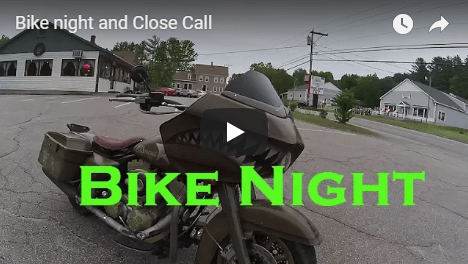
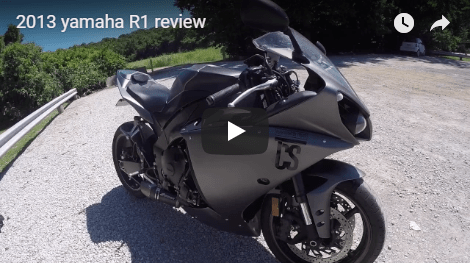
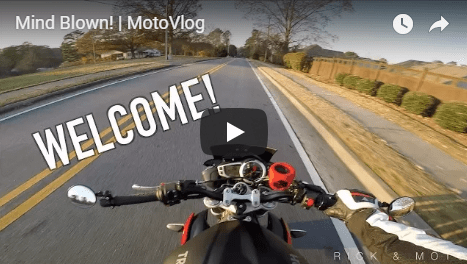
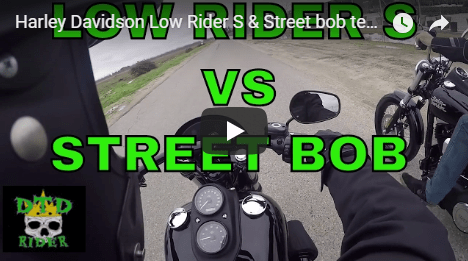


What Is A Motovlog?
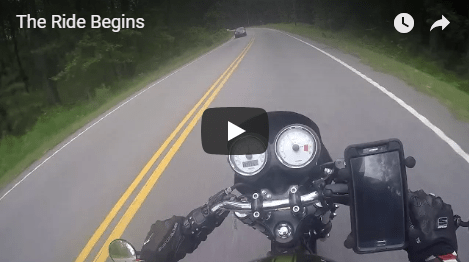
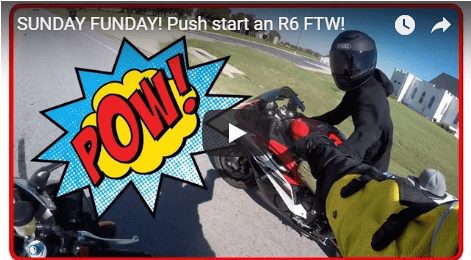
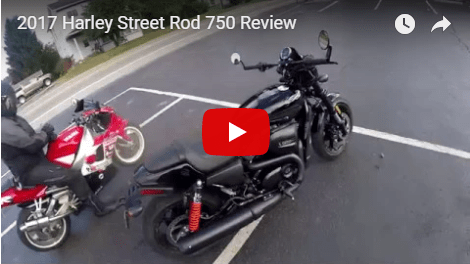
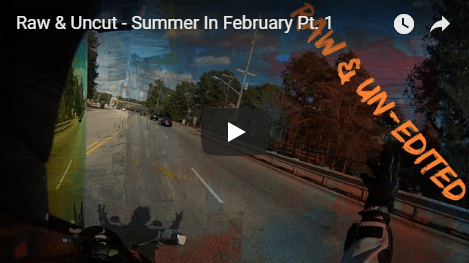
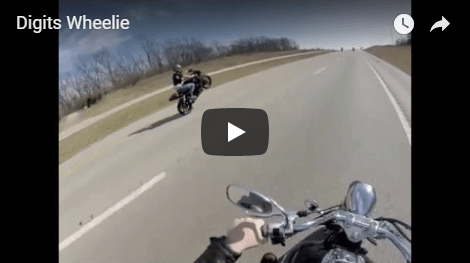
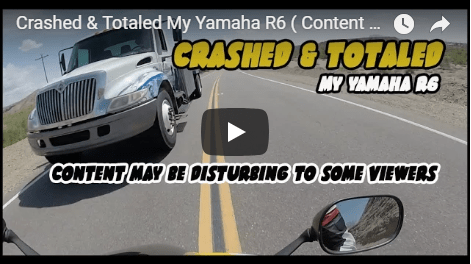
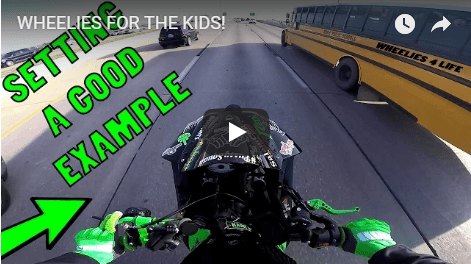
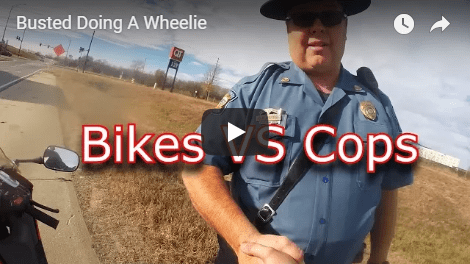
Simply put, motovlogging is when you attach a camera to yourself or your motorcycle and record your ride. Wikipedia defines it as:
A motovlog is a type of video log recorded by a person while riding a motorcycle. The word is a neologism and portmanteau derived from “motorcycle”, “video” and “log”. A rider who creates video blogs known as a moto blogger, and the action of making motovlogs is called motovlogging. Most motovloggers upload their videos on YouTube, and the network of motovloggers here is known as the motovloggers community.
Who Was The First MotoVlogger?
While it’s specifically documented when the first motovlog was created, the earliest motovlogging channels on Youtube is M13 which started in 2006.
Mordeth13
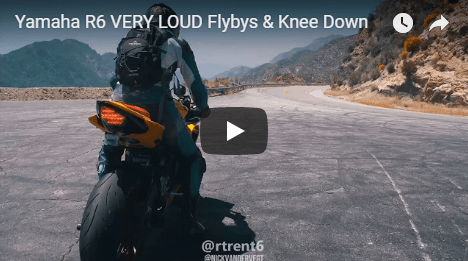
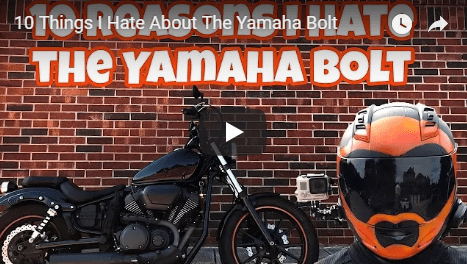
Are you looking for motovloggers to follow?
Since then the motovolgging community has exploded. Each rider has a different style of riding, a different sense of humor, and a different style of teaching.
While I’m positive this isn’t a complete list, I’m sure you’ll find a channel here that will peak your interest. Make sure you check back frequently because I’ll be adding to this list.
If you’re a motovlogger that would like to added to this list simply follow me on YouTube and fill out my contact form and I’ll get you added!
Check Out These Articles:
Shout Out To PhatboyR6 and No.Bumpers for helping me come up with this collection of motovloggers. So here they are in no particular order!
You Might also like
-
The Benefits of Yoga for Sportbike Riders
Sportbike riding, with its high speeds and sharp turns, demands a lot from riders. It requires not just physical strength and endurance but also mental focus and flexibility. This is where yoga, an ancient practice known for its physical, mental, and spiritual benefits, can play a pivotal role. Integrating yoga into your routine can offer sportbike riders numerous advantages, enhancing their riding experience and overall well-being.
Key Takeaways
- Enhanced Flexibility and Balance: Vital for maneuvering and maintaining posture while riding.
- Increased Core Strength: Supports proper riding posture and reduces fatigue.
- Improved Mental Focus: Essential for concentration and quick decision-making on the road.
- Stress Relief: Yoga’s meditative aspects can help riders unwind and relax.
- Injury Prevention: Regular practice strengthens the body and aids in recovery.
No products found.
Comparison Table: Yoga vs. Traditional Strength Training for Sportbike Riders
Aspect Yoga Traditional Strength Training Flexibility Significantly increases Limited increase Core Strength Builds through balance and posture Focuses on targeted muscle groups Mental Focus Enhances concentration and awareness Less emphasis on mental aspects Stress Relief High due to meditative practices Moderate, through physical exertion Injury Prevention High, with low-impact exercises Moderate, risk of overexertion Enhanced Flexibility and Balance
Yoga is renowned for improving flexibility. For sportbike riders, being flexible is crucial as it aids in maneuvering the bike more effectively and prevents muscle strains and injuries. Yoga poses or asanas stretch and elongate the muscles, increasing range of motion and making it easier to adopt the proper riding posture. Furthermore, balance is essential for sportbike riders, especially at high speeds and when taking tight turns. Yoga improves balance, which can help riders maintain control of their bike in challenging conditions.
Increased Core Strength
A strong core is vital for sportbike riders. It supports proper posture, helps manage the bike’s weight during turns, and reduces fatigue during long rides. Yoga poses are effective in strengthening the core muscles, including the abdominals, back, and pelvic muscles. A stronger core leads to better riding form, enhanced stability, and reduced risk of lower back pain, a common issue among riders.
No products found.
Improved Mental Focus and Concentration
Riding a sportbike requires undivided attention and quick decision-making. Yoga can enhance mental focus and concentration through meditation and breathing exercises (pranayama). These practices help calm the mind, reduce stress, and increase awareness, allowing riders to stay focused and react promptly to unexpected situations on the road.
Stress Relief and Relaxation
The thrill of riding a sportbike can be exhilarating, but it can also be stressful, especially after navigating through traffic or challenging routes. Yoga offers an effective way to relax and de-stress. The combination of physical poses, controlled breathing, and meditation promotes relaxation, reduces cortisol levels (the stress hormone), and improves overall mood.
Better Breathing Techniques
Proper breathing is essential for maintaining endurance and focus. Yoga teaches various breathing techniques that can help sportbike riders control their breath, even under physical exertion. Learning to breathe deeply and evenly can improve oxygenation, enhance energy levels, and ensure that muscles receive the nutrients they need to perform optimally.
Injury Prevention and Recovery
Regular yoga practice can help prevent injuries by improving flexibility, strength, and balance. Additionally, yoga can aid in the recovery process after rides or in the event of an injury. Gentle yoga poses can help alleviate muscle soreness, accelerate recovery, and prevent stiffness, making it easier for riders to get back on their bike.
No products found.
FAQs About Yoga for Sportbike Riders
-
How does yoga improve riding performance?
- Yoga enhances balance, flexibility, and mental focus, directly contributing to better riding techniques and endurance.
-
Can yoga reduce the risk of injuries from riding?
- Yes, by strengthening muscles, increasing flexibility, and improving balance, yoga helps prevent common riding-related injuries.
-
How often should riders practice yoga for the best results?
- Incorporating yoga 2-3 times a week can significantly benefit sportbike riders.
-
Are there specific yoga poses that are most beneficial for riders?
- Poses focusing on the core, legs, and back, such as the Plank, Warrior II, and Downward-Facing Dog, are particularly beneficial.
-
Can yoga help with post-ride recovery?
- Yes, gentle yoga can aid in muscle recovery, reducing stiffness and soreness after long rides.
-
Is yoga suitable for beginners or those new to fitness?
- Absolutely, yoga offers various levels of difficulty, making it accessible to beginners and seasoned athletes alike.
No products found.
Conclusion
For sportbike riders, incorporating yoga into their fitness regimen can lead to significant improvements in flexibility, strength, mental focus, and overall riding performance. Whether it’s through attending a yoga class, following online tutorials, or practicing at home, the benefits of yoga can help riders enjoy a more comfortable, focused, and enjoyable riding experience.
Sportbike riding is not just about the machine and the road; it’s also about the rider’s body and mind. Yoga offers a holistic approach to enhance both, ensuring that riders can tackle every curve with grace, precision, and ease.
For more insights into fitness and wellness for riders, visit RunTheCity’s Fitness Blog.
No products found.
-
Maximizing Performance: Upgrades for Your Sportbike
Riding a sportbike is a thrilling experience, but even the most advanced models can benefit from performance upgrades. Whether you’re a competitive racer or simply enjoy the thrill of high-speed riding, there are several modifications you can make to enhance the performance of your sportbike.
No products found.
Upgrade Your Exhaust System: Unlock Hidden Power with an Exhaust System Upgrade
An exhaust system is an essential component of any engine, as it controls the flow of gases generated during combustion. The stock exhaust system on most sportbikes is designed to meet noise and emissions regulations, which can limit the performance of the engine.
However, aftermarket exhaust systems can offer improved airflow, allowing the engine to breathe more easily and increasing horsepower. An aftermarket exhaust system can be made from materials that are lighter and stronger than the stock system, reducing weight and improving performance. Additionally, aftermarket exhaust systems often feature larger-diameter pipes, which allow for greater airflow and improved power output.
If you’re looking for the greatest gains in performance, consider a full exhaust system replacement, including headers and muffler. The headers are the tubes that carry the exhaust gases from the engine to the muffler, and an aftermarket set can be designed with a larger diameter and improved shape to reduce backpressure and increase horsepower. The muffler is responsible for controlling noise levels, and an aftermarket muffler can offer improved sound and performance while still meeting noise regulations.
Upgrading your sportbike’s exhaust system can unlock hidden power and enhance its performance. While the stock exhaust system may meet noise and emissions regulations, it can limit the engine’s ability to breathe and generate power. An aftermarket exhaust system, including headers and muffler, can improve airflow and increase horsepower, allowing you to get the most out of your sportbike.
No products found.
Enhance Your Air Intake: Breath Easy with an Air Intake Upgrade
The air intake system is responsible for delivering air to the engine, and it can play a crucial role in determining the performance of the engine. The stock air intake system on most sportbikes is designed to meet emissions regulations, which can restrict the airflow to the engine and reduce performance.
Upgrading to a high-flow air filter or a cold air intake can increase the amount of air entering the engine, providing a noticeable improvement in horsepower. High-flow air filters allow for a greater volume of air to enter the engine, providing a more oxygen-rich mixture that can improve combustion and increase horsepower. Cold air intakes work by relocating the air filter to a location outside the engine bay, where it can draw in cooler, denser air. This increased airflow can provide a noticeable improvement in horsepower.
Enhancing your air intake system can provide a noticeable improvement in horsepower and performance. The stock air intake system on most sportbikes is designed to meet emissions regulations, which can restrict airflow to the engine and reduce performance. Upgrading to a high-flow air filter or a cold air intake can increase the amount of air entering the engine, providing a more oxygen-rich mixture and a noticeable improvement in horsepower.
Fine-Tune Your Engine Management System: Re-Map Your Engine or Install a Power Commander
The engine management system is responsible for controlling the fuel and air mixture delivered to the engine, and it plays a critical role in determining the performance of the engine. The stock engine management system on most sportbikes is designed to meet emissions regulations, which can be restrictive and limit performance.
Installing a Power Commander or having the engine management system re-mapped can improve throttle response and power delivery, allowing the engine to operate more efficiently. A Power Commander is an aftermarket device that allows you to fine-tune the engine management system by adjusting the fuel and air mixture delivered to the engine. This can provide improved throttle response and increased power output, allowing you to get the most out of your sportbike.
Re-mapping the engine management system involves modifying the software that controls the fuel and air mixture delivered to the engine. This can provide improved throttle response and increased power output, allowing the engine to operate more efficiently.
Fine-tuning your engine management system can provide noticeable improvements in throttle response and power delivery. The stock engine management system on most sportbikes is designed to meet emissions regulations, which can be restrictive and limit performance. Installing a Power Commander or having the engine management system re-mapped can provide improved throttle response and increased power output, allowing you to get the most out of your sportbike.
No products found.
Get the Ultimate Ride with a Suspension Upgrade: Suspension Upgrade
The suspension on a sportbike is one of the most important components in determining handling and stability. The stock suspension components on most sportbikes are designed to provide a balance between comfort and performance, but they may not meet the demands of all riders.
Upgrading to aftermarket suspension components, such as forks, shocks, and springs, can offer improved handling and a more comfortable ride. Suspension upgrades can also allow riders to fine-tune the suspension settings to suit their individual riding style and track conditions. High-performance suspension components can offer improved responsiveness and stability, allowing you to get the most out of your sportbike.
Forks and shocks are two of the most important suspension components, and upgrading them can offer a noticeable improvement in handling and stability. Upgraded forks can provide improved responsiveness, allowing you to negotiate turns with greater ease. Upgraded shocks can provide improved damping, allowing the rear tire to remain in contact with the road, even under hard acceleration or braking.
A suspension upgrade can provide a noticeable improvement in handling and stability, as well as a more comfortable ride. The stock suspension components on most sportbikes are designed to provide a balance between comfort and performance, but they may not meet the demands of all riders. Upgrading to aftermarket suspension components, such as forks, shocks, and springs, can allow riders to fine-tune the suspension settings to suit their individual riding style and track conditions.
No products found.
Stop on a Dime with a Brake Upgrade: Brake Upgrade
Braking performance is critical for riders who like to push the limits of their sportbike’s performance. The stock brake components on most sportbikes are designed to provide a balance between performance and affordability, but they may not meet the demands of all riders.
Upgrading to high-performance brake pads and larger rotors can provide a noticeable improvement in braking performance, helping riders feel more confident on the track or road. High-performance brake pads can offer improved bite and modulation, allowing you to stop quickly and smoothly. Larger rotors can provide improved heat dissipation and stopping power, allowing you to slow down faster and with greater confidence.
Upgrading your brake components can provide a noticeable improvement in braking performance, helping riders feel more confident on the track or road. The stock brake components on most sportbikes are designed to provide a balance between performance and affordability, but they may not meet the demands of all riders. Upgrading to high-performance brake pads and larger rotors can provide improved bite and modulation, as well as increased stopping power, allowing you to stop quickly and confidently.
Conclusion
In conclusion, upgrading your sportbike can significantly enhance its performance and make it even more enjoyable to ride. These modifications can improve power delivery, handling, braking, and overall ride quality. However, it’s important to choose upgrades that are compatible with your bike and to have them installed by a professional to ensure optimal performance and safety. Whether you’re looking for a competitive edge or simply want to improve your riding experience, there are many options available for maximizing the performance of your sportbike.
-
More Than Just a Number: Evaluating Motorcycle Performance Beyond Top Speed
In the world of motorcycles, the allure of top speed is undeniable. Images of sleek machines blurring across racetracks and boasting impressive numbers often dominate the conversation. However, for many riders, true performance goes beyond simply hitting the highest speedometer reading. Just like a good book isn’t judged solely by its length, a motorcycle’s true capabilities extend far beyond a single metric.
Key Takeaways
- Top speed isn’t the only measure of motorcycle performance. Consider factors like acceleration, handling, braking performance, and power-to-weight ratio to find the perfect bike for your needs.
- Different riding styles prioritize different performance aspects: acceleration for city riding, handling for navigation, braking for safety, and power-to-weight ratio for sport riding.
- Choose a motorcycle that aligns with your individual riding style and preferences for the most enjoyable and fulfilling experience.
Comparison Table: Conventional vs. Unconventional Motorcycle Performance Measures
Feature Conventional Unconventional Focus Top Speed Acceleration, Handling, Braking, Power-to-Weight Ratio Relevance Limited More comprehensive picture, caters to various riding styles Examples MPH (km/h) 0-60 mph (0-100 km/h) time, suspension travel, braking distance, horsepower per kilogram This article delves deeper, exploring unconventional measures of motorcycle performance that cater to various riding styles and needs. While top speed has its place, focusing solely on this number can paint an incomplete picture of a motorcycle’s true potential. Here are some key performance factors to consider:
1. Acceleration:
The thrill of the launch, the surge of power as you twist the throttle, is an essential part of the riding experience. Acceleration, measured in seconds from 0 to 60 mph or 0 to 100 km/h, indicates how quickly a motorcycle can gain speed. This metric is particularly important for city riding and overtaking maneuvers, offering confidence and responsiveness in everyday situations.
2. Handling:
The ability of a motorcycle to carve through corners with precision and stability is crucial for a confident and enjoyable ride. Handling encompasses factors like suspension, steering geometry, and tire grip. A well-handling motorcycle feels planted and predictable, allowing riders to navigate curves confidently and explore the twisties with ease.
3. Braking Performance:
The ability to slow down effectively and safely is paramount for any motorcycle. Braking performance is measured by the distance it takes a motorcycle to come to a complete stop from a specific speed. Powerful and responsive brakes inspire confidence, especially on mountain roads or in unexpected situations.
4. Power-to-Weight Ratio:
This metric combines engine power and motorcycle weight. A higher power-to-weight ratio signifies a lighter bike with more power, translating to better acceleration, agility, and overall responsiveness. This factor is especially relevant for sport-oriented riding and track days, where quick maneuvering and responsiveness are crucial.
Finding the Right Balance:
The ideal combination of these performance metrics depends on your individual riding style and preferences. Tourers might prioritize comfort and long-distance capabilities, while track riders might seek razor-sharp handling and agile responsiveness.
6 FAQs About Unconventional Motorcycle Performance Measures
1. What’s the difference between horsepower and torque?
Horsepower measures an engine’s ability to generate power, while torque measures its twisting force. Both contribute to a motorcycle’s performance, with a good balance being ideal.
2. How does suspension affect handling?
Suspension plays a crucial role in absorbing bumps and maintaining tire contact with the road, leading to improved stability and control.
3. Are ABS brakes important?
Anti-lock braking systems (ABS) help prevent wheel lockup during hard braking, providing increased control and shorter stopping distances, especially in slippery conditions.
4. What’s the ideal power-to-weight ratio for me?
A higher power-to-weight ratio generally translates to better acceleration and agility. However, consider your riding style and skill level. A lighter, more powerful bike might be harder to handle for beginners.
5. How can I test a motorcycle’s performance before buying?
Many dealerships offer test rides so you can experience the motorcycle’s performance firsthand. Consider different models and riding scenarios to find the best fit.
6. What are some safety considerations when evaluating motorcycle performance?
Always prioritize safety first. Focus on factors like braking performance, handling, and visibility to ensure a safe and enjoyable riding experience.
Facts & Statistics: Motorcycle Usage and Performance Preferences
- 70% of motorcycle owners use their bikes for leisure riding. (https://www.statista.com/study/91633/motorcycles-report/)
- 30% of motorcycle owners commute to work on their bikes. (https://www.statista.com/study/91633/motorcycles-report/)
- Among sportbike owners, 65% prioritize handling and agility, while 42% prioritize acceleration. (https://www.statista.com/study/91633/motorcycles-report/)
By understanding these unconventional measures and evaluating them against your needs, you can make a more informed decision when choosing a motorcycle that perfectly aligns with your riding experience. Remember, the fastest motorcycle on the market isn’t always the “best” for everyone. Ultimately, the perfect motorcycle is the one that delivers the performance characteristics that bring you the most enjoyment and confidence on the road.


Hello. We are in the process of building our YouTube Channel, but we are doing well on Facebook. Do you have a Motovlogger list for Facebook. If so, we would love to be on it. ~Momma Badger Find us on FB @ The Badgers and The Biker Lifestyle 🙂
I didn’t see Suburban Delinquent or bakerXderek
https://www.youtube.com/ManBikeSwag
great off road riding adventures